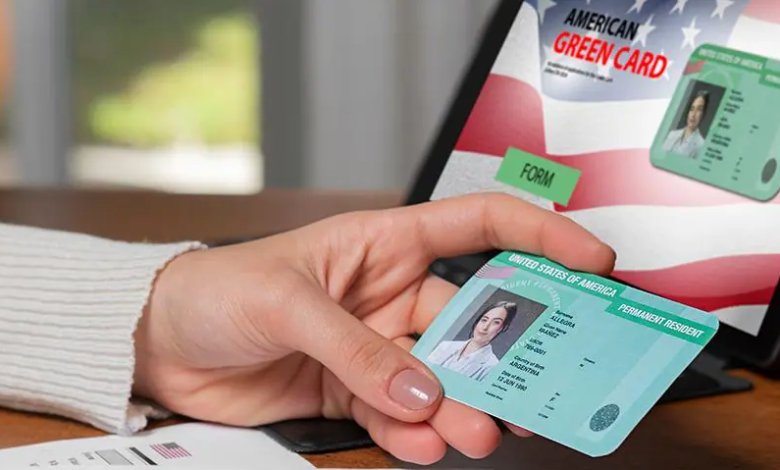
Obtaining a Green Card is a significant milestone for anyone looking to live and work permanently in the United States. Officially known as a Permanent Resident Card, it grants lawful permanent residency and opens the door to many opportunities, including the path to U.S. citizenship.
What is a Green Card and Who is Eligible?
A Green Card gives its holder the legal right to live and work anywhere in the United States on a permanent basis. Green Card holders enjoy most of the rights of U.S. citizens, such as owning property and attending public schools, though they cannot vote in federal elections or hold certain government jobs.
Eligibility for a Green Card is not universal; it is granted based on specific categories established by U.S. immigration law. The most common pathways are through family relationships, employment, or humanitarian status. Let’s explore these categories in more detail.
Green Card Eligibility Categories
Your path to a Green Card will depend on which category you qualify for. The U.S. Citizenship and Immigration Services (USCIS) has several main pathways.
Family-Based Green Cards
This is the most common way to obtain a Green Card. U.S. citizens and lawful permanent residents can sponsor certain family members for permanent residency.
- Immediate Relatives of a U.S. Citizen: This category includes spouses, unmarried children under 21, and parents of U.S. citizens. There are no annual limits on the number of visas for immediate relatives, so the process is generally faster.
- Other Family Members: This “family preference” category includes unmarried sons and daughters over 21, married children of any age, and siblings of U.S. citizens. It also includes spouses and unmarried children of Green Card holders. These categories are subject to annual visa limits, which often results in long waiting periods.
Employment-Based Green Cards
This category is for foreign workers who have specific skills or job offers from U.S. employers. There are five preference categories (EB-1 through EB-5), each with its own requirements.
- EB-1: Priority Workers: This is for individuals with extraordinary ability in fields like science, arts, or business, as well as outstanding professors, researchers, and certain multinational executives.
- EB-2: Professionals with Advanced Degrees or Exceptional Ability: This category is for professionals holding advanced degrees or individuals with exceptional ability in their field.
- EB-3: Skilled Workers, Professionals, and Other Workers: This is for skilled workers with at least two years of experience, professionals with a bachelor’s degree, and other “unskilled” workers for positions that lack qualified U.S. applicants.
- EB-4: Special Immigrants: This includes various groups like religious workers, certain broadcasters, and employees of international organizations.
- EB-5: Immigrant Investors: This pathway is for foreign investors who make a significant capital investment in a new commercial enterprise that creates jobs for U.S. workers.
Other Paths to a Green Card
Beyond family and employment, there are other, less common ways to secure permanent residency.
- Refugee or Asylee Status: Individuals granted asylum or refugee status may apply for a Green Card one year after entering the U.S. or being granted their status.
- Diversity Immigrant Visa Program: Also known as the “Green Card lottery,” this program makes up to 55,000 immigrant visas available each year to individuals from countries with historically low rates of immigration to the U.S.
- Humanitarian Programs: This includes victims of human trafficking (T visa), victims of certain crimes (U visa), and individuals covered under programs like the Cuban Adjustment Act.
See also: business contact phone number
The Step-by-Step Application Process
While the specifics can vary based on your eligibility category, the general application process follows a standard sequence.
Step 1: File the Immigrant Petition
The first step is for a sponsor to file a petition on your behalf.
- For family-based applications, your U.S. citizen or permanent resident relative files Form I-130, Petition for Alien Relative.
- For employment-based applications, your U.S. employer typically files Form I-140, Immigrant Petition for Alien Worker.
Once USCIS approves the petition, you can move to the next step.
Step 2: Wait for Visa Availability
If you are in a category with annual visa limits, you must wait for a visa number to become available. You can check your place in the queue by looking at the Visa Bulletin, which is published monthly by the Department of State. Immediate relatives of U.S. citizens can skip this step.
Step 3: File the Green Card Application
Once a visa is available, you will file your actual Green Card application. Your location determines which process you’ll follow:
- Adjustment of Status: If you are already in the United States legally, you can file Form I-485, Application to Register Permanent Residence or Adjust Status. This allows you to complete the process without leaving the country.
- Consular Processing: If you are outside the United States, your case will be sent to the National Visa Center (NVC) and then to a U.S. embassy or consulate in your home country. You will attend your interview and receive your immigrant visa there.
Step 4: Attend the Biometrics Appointment and Interview
Most applicants will be required to attend a biometrics appointment to provide fingerprints, a photograph, and a signature. Later, you will attend an interview with a USCIS officer (for adjustment of status) or a consular officer (for consular processing). During the interview, the officer will verify the information in your application and ask questions to confirm your eligibility.
Required Documents
Gathering the right documents is crucial. While the list varies by case, common required documents include:
- Birth certificate
- Passport and travel documents
- Marriage certificate (if applicable)
- Proof of sponsor’s U.S. citizenship or permanent residency
- Financial documents to prove you won’t become a “public charge” (Form I-864, Affidavit of Support)
- Police clearance certificates from any country you’ve lived in
- Medical examination results from a USCIS-approved doctor
Navigating Common Challenges
The Green Card process can have its difficulties. Here are some common obstacles and how to handle them:
- Long Processing Times: Patience is key. Many categories have significant backlogs. Use the USCIS website to check your case status and be prepared for a long wait.
- Requests for Evidence (RFEs): If your application is missing information, USCIS will send an RFE. Respond promptly and thoroughly. Failing to do so can lead to denial. It’s often wise to consult an immigration attorney if you receive an RFE.
- Changes in Circumstances: A change in marital status, a new job, or even a change of address can affect your application. It’s important to notify USCIS of any significant life changes. Similarly, processes like DACA renewal operate on their own timelines and require careful management alongside a Green Card application.
- Application Errors: Small mistakes on your forms can cause major delays. Double-check every detail before submitting and consider having an expert review your application.
Conclusion
Securing a Green Card is a life-changing event, but it requires careful preparation and perseverance. By understanding your eligibility, following the steps correctly, and preparing for potential roadblocks, you can navigate the process more effectively.