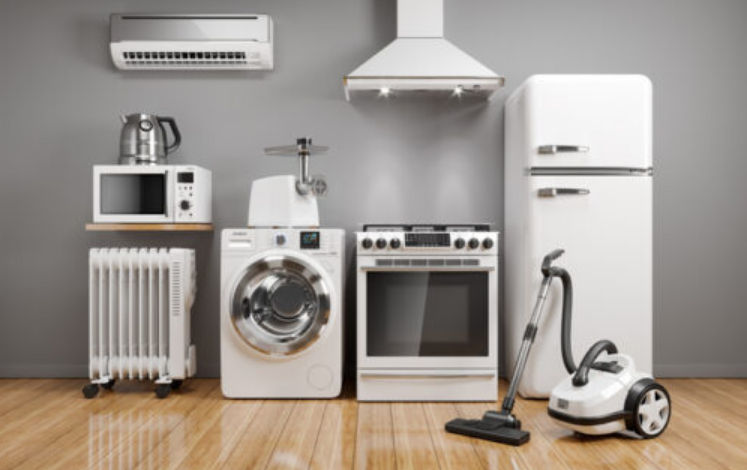
Kitchen appliances are significant investments that play a central role in daily life. From keeping food fresh to cooking meals and cleaning up afterward, these machines work hard. Replacing them can be costly and inconvenient. Fortunately, regular maintenance and proper usage can add years to the life of your refrigerator, oven, dishwasher, and microwave. By adopting a few simple habits, you can ensure your appliances run efficiently for as long as possible.
The Refrigerator: The Heart of the Kitchen
Your refrigerator runs twenty-four hours a day, making it one of the hardest-working appliances in your home. Because it never stops, it requires consistent attention to maintain its efficiency.
Keep the Coils Clean
The condenser coils are responsible for releasing heat. When they get covered in dust and pet hair, the compressor has to work overtime to keep the interior cool. This extra strain can lead to premature failure. You can find these coils either at the back of the unit or behind a grille at the bottom. Use a vacuum with a brush attachment to clean them once or twice a year.
Check the Door Seals
The rubber gaskets around the doors seal in cold air. If they become brittle or crack, cold air escapes, forcing the motor to run more frequently. Clean the seals regularly with warm soapy water to keep them pliable. You can test the seal by closing the door on a piece of paper. If the paper slides out easily, it is time to replace the gasket.
Maintain Proper Temperature
Setting the temperature too low forces the unit to work harder than necessary. Ideally, the refrigerator should be between 37 and 40 degrees Fahrenheit, while the freezer should be at zero degrees. Keeping the interior full also helps maintain temperature, as cold items help cool each other, but avoid overcrowding that blocks airflow. If you notice persistent temperature fluctuations despite your best efforts, you might need professional help. Seeking a technician for refrigerator repair in Kaysville can resolve complex component issues before they require a full unit replacement.
The Oven and Stove: Cooking with Care
Grease and food spills are the enemies of your cooking appliances. Left unchecked, they can cause damage to heating elements and igniters.
Clean Spills Immediately
Burnt-on food forces the oven to work less efficiently and can even damage the interior coating. Wipe up spills as soon as the oven cools down. For gas stoves, keep the burner ports clear of debris. A clogged port leads to uneven heating and inefficient fuel use. Use a pin or needle to gently clear any blockages.
Be Gentle with the Door
The oven door is heavy, but it contains delicate glass and hinges. Avoid slamming it or using it as a shelf for heavy pans. Excess weight can warp the hinges, preventing the door from sealing tightly. A poor seal allows heat to escape, which affects cooking times and wastes energy.
The Dishwasher: Cleaning the Cleaner
It is easy to assume the dishwasher cleans itself, but food particles and mineral buildup can accumulate over time, reducing its effectiveness and lifespan.
Clean the Filter
Most modern dishwashers have a manual filter located at the bottom of the tub. This trap catches large food particles to prevent them from clogging the drain pump. Rinse this filter under running water regularly to keep water circulating freely.
Inspect the Spray Arms
The spray arms have small holes that jet water onto your dishes. These holes can get clogged with minerals or food bits. Use a toothpick to clear any obstructions. Also, check that the arms spin freely before starting a cycle.
Run a Cleaning Cycle
Once a month, place a cup of white vinegar on the top rack and run a hot cycle. This helps dissolve mineral deposits and removes lingering odors. Avoid overloading the machine, as this prevents water from reaching all surfaces and forces you to run a second cycle.
See also: Transform Your Home with Bespoke Custom Rooflights
The Microwave: Small but Mighty
Microwaves are durable, but they are not indestructible. Splatters and misuse are the primary causes of failure.
Cover Your Food
Food splatters can harden on the interior walls and absorb energy that should be heating your meal. This can cause hot spots that damage the interior surface. Always use a microwave-safe cover to contain messes.
Don’t Run It Empty
Running a microwave with nothing inside can damage the magnetron, the component that generates the microwaves. The energy has nowhere to go and bounces back into the tube. If you use the microwave as a timer, ensure you select the timer function rather than the cook setting.
Consistent Care Pays Off
Taking care of your appliances does not require technical expertise. It simply requires attention and consistency. Small tasks like cleaning coils, wiping seals, and clearing filters prevent strain on motors and heating elements. By treating your kitchen equipment with respect and addressing minor issues early, you protect your investment and keep your home running smoothly for years to come.