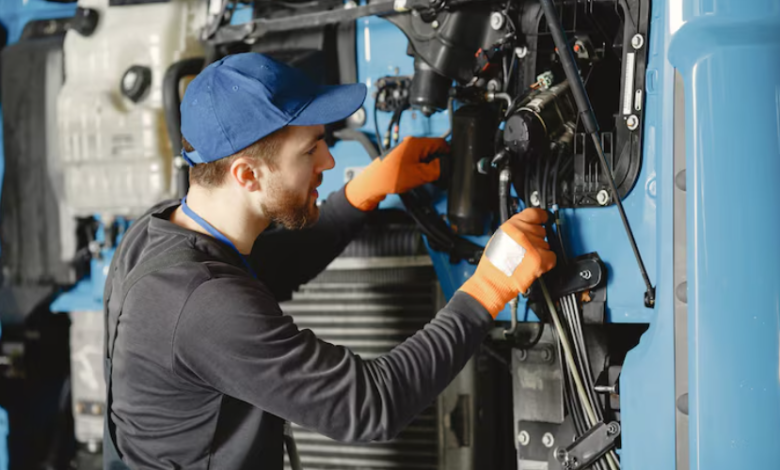
Transformers are crucial components of electrical systems that regulate voltage and safely and efficiently transfer power. Regular maintenance is needed to ensure transformers operate efficiently and do not cause costly failures.
If you’re unsure of how to ensure the longevity and maximum output of your transformer equipment, no need to look elsewhere.
In this informative article, we’re going to shed light on six important tips for transformer equipment maintenance that will help you make it happen. So, stay with us to break them down in detail…
Perform Inspections On a Regular Basis
Conducting regular checks is essential to uncover any problems at an early stage. Inspect the transformer to identify external damage, such as oil leakage, cracks, or rust.
Check electrical connections and bushings (insulated) for cracks or wear. Frequent visual inspections, if performed, will help prevent minor issues from becoming major failures.
Keep Tabs On Oil Levels and Quality
Transformers rely on oil for cooling and insulation. Over time, oil levels can drop or become contaminated, affecting the transformer’s efficiency.
Regularly check the oil levels and ensure they’re within the recommended range. Additionally, test the oil for moisture, contamination, or degradation. If necessary, replace the oil to maintain proper operation and prevent overheating for longer.
Don’t Overlook the Cooling System
During operation, transformers produce heat, and therefore, a sound cooling system is necessary. So, be proactive and check the clearing fins, radiators, and dust- or debris-removal fans for potential airflow blockages.
Remember, blockages reduce cooling capacity and can lead to frequent overheating. It’s essential to ensure the pumps and cooling fans are operational; which will maintain safe operating temperatures.
Test Protective Relays at a Priority
Protective relays are designed to detect fault conditions and minimize damage by shutting down the unit when required.
Test and calibrate these relays regularly to ascertain that they operate properly in the event of an emergency. Failure of relays may expose the transformer to overload or electrical faults, leading to costly transformer replacement.
See also: Why the Future of Linear Lighting Still Runs Through Shenzhen
Monitor Load Conditions
When a transformer is overloaded, it may shorten its operational life and lead to costly failures. Ensure the transformer is operating within its specified load limits.
Keep track of the load distribution to ensure no transformer is overloaded. If loads are properly managed, overheating will be avoided, and the transformer’s lifespan will be extended.
Perform Electrical Tests Periodically
Electrical testing, including insulation resistance and turns ratio testing, is used to evaluate the transformer’s internal condition.
These tests are designed specifically to indicate the initial signs of insulation breakage or winding problems. If you conduct these tests periodically, you can detect and resolve issues before they cause system crashes.
Wrapping It Up
Without proper equipment maintenance, no transformer can work reliably or efficiently, or achieve a long service life. Taking all the above steps will help you avoid downtime and expensive repairs.
Maintaining your transformer is a sure way to ensure your electrical systems operate efficiently and safely and remain in good condition. Don’t hesitate to seek professional help for keeping your transformer equipment efficient for years to come.