Introduction
Opening a bank account is one of the most important steps in managing your money. Whether it’s for personal savings or business transactions, a bank account provides security, convenience, and credibility.
With the rise of technology, people now have two main options for bank account opening: online or offline. Online banking is growing fast, but traditional offline methods are still widely used.
Choosing the right method matters. The wrong choice can delay account activation or cause unnecessary stress.
In this article, we will explore both methods, compare their advantages and disadvantages, explain the step-by-step process for each, and help you decide which is best for your needs.
Understanding Bank Account Opening Methods
What Is Offline Bank Account Opening?
Offline bank account opening is the traditional method. It involves visiting a bank branch, submitting physical documents, and completing in-person verification.
You can interact with bank staff for guidance. This method is preferred by people who are not very comfortable with technology or want direct support.
What Is Online Bank Account Opening?
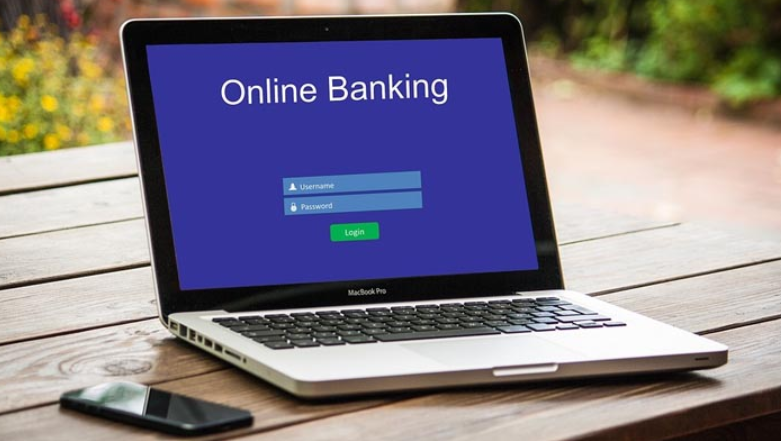
Online bank account opening is fully digital. You can apply via a bank’s website or mobile app. Documents are uploaded electronically, and verification is often instant using e-KYC or video KYC.
Online account opening is convenient, fast, and suitable for people who prefer managing banking tasks remotely.
Step-by-Step Process Comparison
Offline Bank Account Opening Process
Step 1: Visit the bank branch – Go to your chosen branch with required documents.
Step 2: Submit documents – Provide ID proof, address proof, PAN card, and photographs.
Step 3: Complete in-person KYC – Bank staff verify your identity physically.
Step 4: Fund account – Make the minimum deposit required for the account.
Step 5: Receive account details – You will get your account number, debit/credit card, and online banking credentials.
Online Bank Account Opening Process
Step 1: Choose the bank and account type online – Select personal or business account and desired features.
Step 2: Upload required documents – Submit digital copies of ID, address proof, and photos.
Step 3: Complete e-KYC or video verification – Verify identity through video call or automated verification.
Step 4: Fund account electronically – Deposit minimum balance via online transfer or payment app.
Step 5: Receive account details instantly – Get account number, debit/credit card, and online/mobile banking setup.
See also: Outdoor Security Measures: Protecting Your Home’s Perimeter
Pros and Cons of Offline Bank Account Opening
Advantages
- Personal guidance from bank staff
- Secure and trusted verification method
- Easier for individuals unfamiliar with technology
Disadvantages
- Time-consuming
- Requires travel to branch
- Limited to branch working hours
Pros and Cons of Online Bank Account Opening
Advantages
- Fast and convenient
- 24/7 access from anywhere
- Minimal paperwork and instant verification
Disadvantages
- Requires internet access and basic tech skills
- Limited personal assistance
- Some banks may restrict certain account types online
Key Factors to Consider When Choosing
Speed and Convenience
- Online: faster and flexible
- Offline: slower but more secure
Documentation and Verification
- Offline: physical submission ensures accuracy
- Online: digital uploads need clear scans; video KYC may be required
Security and Privacy
- Offline: reduces risk of digital fraud
- Online: uses encrypted platforms, but be cautious of phishing
Customer Support
- Offline: immediate help from staff
- Online: chat, email, or call support
Who Should Choose Which Option?
Ideal Candidates for Offline Accounts
- Less tech-savvy users
- Elderly or first-time account holders
- People needing personal guidance
Ideal Candidates for Online Accounts
- Tech-savvy individuals
- Remote users or home-based businesses
- People who value speed and convenience
Common Mistakes to Avoid
- Submitting incomplete or unclear documents
- Using outdated or inconsistent information
- Ignoring verification emails or calls in online applications
- Choosing the wrong account type
FAQs About Online vs Offline Bank Account Opening
Can I switch from offline to online later?
Yes, most banks allow you to link your offline account to online banking services.
Are online accounts as secure as offline accounts?
Yes, if you use verified bank platforms with encryption. Always avoid sharing login credentials.
Which method is better for businesses?
It depends on the business type. Remote businesses may benefit from online account opening, while new local businesses might prefer offline support.
How long does verification take in both methods?
Offline verification usually takes a few days. Online verification can be instant or take 24–48 hours.
Conclusion
Both online and offline bank account opening have their advantages and disadvantages.
Offline methods are secure, personal, and reliable but take more time and effort. Online methods are fast, convenient, and flexible but require internet access and basic tech knowledge.
The best choice depends on your needs, comfort level with technology, and the type of account. Consider speed, support, security, and personal preference before deciding.
Choosing the right method ensures a smooth, hassle-free bank account opening experience, giving you access to secure and convenient banking services.