Adding a sunroom to your home sounds simple. You get more space, more light, and a better connection to the outdoors. But many homeowners get stuck at the same point before starting. Do you actually need council approval for a sunroom addition?
This is one of the most common questions people ask when planning a home upgrade. The answer is not always a straight yes or no. It depends on where you live, how big the sunroom is, and how it connects to your existing house. Some projects need full council approval, while others only need a building permit or may even be exempt.
In this guide, we will break it all down in simple terms. You will learn what counts as a sunroom addition, when approval is usually required, how to check your local rules, and what happens if you skip the process. If you are planning Sunroom Extensions for your home, this will help you avoid costly mistakes and delays. You can also explore professional sunroom services.
What Is a Sunroom Addition?
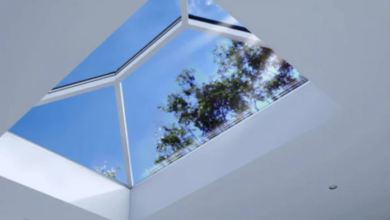
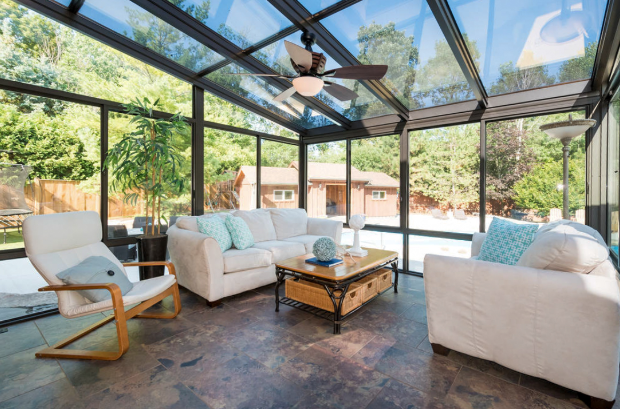
A sunroom addition is a room added to your home that is designed to let in a lot of natural light. It usually has large windows, glass walls, or even a glass roof. Sunrooms are often used as extra living areas, dining spaces, or quiet spots to relax.
Unlike a patio or pergola, a sunroom is normally an enclosed structure. It is often attached to the main house and may share the same roofline, walls, or foundations. This is important because once a structure becomes part of your home, it usually falls under building and planning rules.
Some people also call sunrooms conservatories, enclosed patios, or glass rooms. Even though the names differ, councils often treat them in similar ways when it comes to approvals.
Why Permits and Council Approval Matter
Council approval and building permits exist for a reason. They are there to make sure buildings are safe, legal, and do not cause problems for neighbours or the local area.
If you build a sunroom without the right approval, you could face serious issues. These may include fines, orders to remove the structure, problems with insurance claims, and difficulties when selling your home. Many buyers and banks will ask for proof that all extensions were approved.
Approvals also protect you as the homeowner. They ensure the structure meets safety standards for things like foundations, drainage, wind loads, and electrical work.
Do You Need Council Approval? (General Rules)
Australia-Specific Requirements
In Australia, most sunroom additions require some form of approval. The exact rules vary by state and council, but generally you will need either development approval, a building permit, or both.
Development approval looks at how the structure fits into planning rules. This includes things like zoning, land use, height limits, and how close the building is to boundaries.
A building permit focuses on safety and construction standards. This checks that the structure follows the Building Code of Australia and local building regulations.
Some councils combine these into one process, while others treat them separately.
When a Permit Is Likely Required
You will almost always need approval if your sunroom is attached to your home and involves structural changes. This includes changes to walls, roofs, or foundations.
Approval is also usually required if the sunroom increases the floor area of your house, adds plumbing or electrical systems, or changes the external appearance of the building.
If the sunroom is raised off the ground, has a solid roof, or is designed as a permanent living space, councils will treat it as a real extension, not a temporary structure.
Possible Exemptions
Some very small projects may be exempt from approval, depending on your council. These are often called exempt or self-assessable developments.
For example, a small enclosed patio with no structural changes and under a certain size may not need full approval in some areas. However, these rules vary widely.
Even if something is exempt, it still usually needs to meet basic building standards. Many homeowners assume they are exempt and later find out they were not.
See also: Transform Your Home with Bespoke Custom Rooflights
Council Approval vs Building Permit
Council approval and building permits are not the same thing, but people often confuse them.
Council approval focuses on planning rules. It looks at where the building sits on the land, how big it is, and how it affects the neighbourhood.
A building permit focuses on construction quality and safety. It checks things like structural design, materials, fire safety, and drainage.
In many cases, you need both. First you get council approval, then you apply for a building permit. Some private certifiers can handle the building permit part, but council approval usually must go through the local council.
How to Check Your Local Council Rules
Steps to Find Requirements
The best way to know what you need is to check directly with your local council. Most councils have planning and building sections on their websites.
Search for terms like “sunroom approval,” “home extension permits,” or “development application.” You can also call the council and ask to speak with a planning officer.
If you are using a builder or sunroom company, they often help with this process. Many experienced companies know local rules and can guide you through the paperwork.
Common Documents Required
If approval is needed, you will usually have to submit site plans, floor plans, and elevation drawings. These show where the sunroom will be built and how it will look.
You may also need structural drawings from an engineer, especially for larger sunrooms. Councils want to see that the design is safe and stable.
Other documents can include neighbour notifications, bushfire assessments, or flood reports, depending on your location.
Planning Considerations Beyond Approval
Approval is not just about filling out forms. There are practical planning rules you should think about early.
Setback rules control how close you can build to your boundaries. Height limits control how tall the sunroom can be. These vary by zone and council.
If you live in a bushfire-prone or flood-prone area, extra rules may apply. You might need special materials or designs to meet safety requirements.
You should also think about how the sunroom affects your neighbours. Blocking light, views, or airflow can cause objections and delays.
Practical Advice for Homeowners
The easiest way to avoid problems is to involve professionals early. Builders, designers, and certifiers deal with council rules every day.
Submit your application as early as possible. Approval can take anywhere from a few weeks to several months, depending on complexity and council workload.
Keep copies of all approvals and permits. These documents are important for insurance and future property sales.
Most importantly, never assume your project is exempt without checking. A quick call or email to council can save you thousands of dollars later.
Conclusion
So, do you need council approval for a sunroom addition? In most cases, yes. Especially if the sunroom is attached, permanent, or changes the structure of your home.
While some small projects may be exempt, the rules differ by council and location. You may need development approval, a building permit, or both.
Taking the time to check local requirements before building is always worth it. It protects your investment, keeps your project legal, and ensures your sunroom is safe and built to standard.
If you plan properly, a sunroom can be one of the best additions to your home. It adds space, light, and value, without the stress of future problems.