Fire Risk Assessment: A Detailed Guide to Emergency Preparedness and Fire Response Planning

Introduction: Why Emergency Preparedness Saves Lives
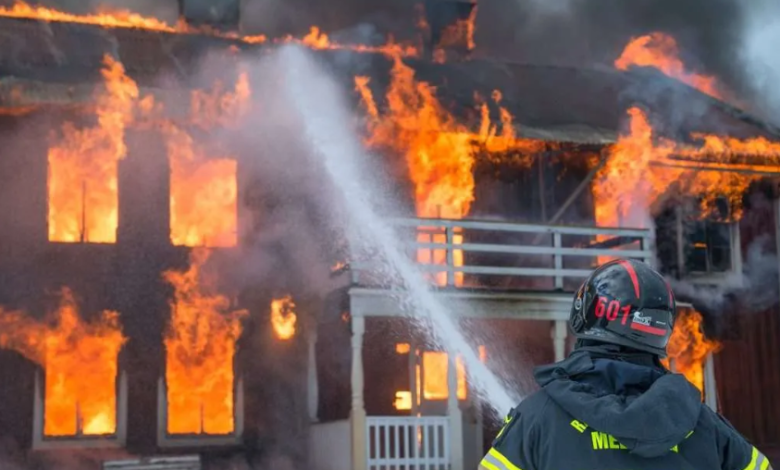
When a fire breaks out, every second counts. Panic, confusion, and poor planning can turn a small incident into a major disaster. This is why emergency preparedness is one of the most important outcomes of a well-structured Fire Risk Assessment.
Fire risk assessment does not stop at identifying hazards—it ensures that people know exactly what to do, where to go, and how to respond when an emergency occurs. This article explains how fire risk assessment supports effective emergency preparedness and response planning.
Fire Risk Assessment and Emergency Planning
Emergency planning is a direct result of risk assessment findings.
How Risk Assessment Shapes Planning
- Identifies likely fire scenarios
- Determines evacuation needs
- Defines response roles
- Highlights equipment requirements
Fire risk assessment ensures emergency plans are realistic, not theoretical.
See also: Transform Your Home with Bespoke Custom Rooflights
Understanding Fire Scenarios and Response Needs
Different fires require different responses.
Common Fire Scenarios
- Electrical fires
- Kitchen and cooking fires
- Chemical or fuel fires
- Storage and waste fires
Fire risk assessment evaluates how each scenario could develop and how occupants should respond.
Roles and Responsibilities During Fire Emergencies
Clear roles prevent confusion.
Typical Emergency Roles
- Responsible person
- Fire wardens or marshals
- First responders
- Assembly point coordinators
Fire risk assessment clearly defines these roles and ensures coverage at all times.
Alarm Response and Immediate Actions
The first response sets the tone.
Immediate Actions After Alarm Activation
- Stop work safely
- Alert others if necessary
- Begin evacuation
- Avoid re-entry
Fire risk assessment ensures these actions are clearly communicated and practiced.
Evacuation Planning Based on Risk
Evacuation strategies must reflect actual risk levels.
Evacuation Planning Factors
- Occupant numbers
- Exit capacity
- Vulnerable individuals
- Time of day
Fire risk assessment ensures evacuation plans are achievable under real conditions.
Managing Vulnerable Occupants During Emergencies
Some people need extra support.
Vulnerable Groups
- Mobility-impaired individuals
- Elderly occupants
- Visitors unfamiliar with the building
Fire risk assessment supports the development of personal emergency evacuation plans.
Assembly Points and Accountability
Knowing who is safe is critical.
Assembly Point Planning
- Safe distance from buildings
- Clear signage
- Accountability procedures
Fire risk assessment ensures assembly points are practical and well-managed.
Firefighting Actions and Safe Intervention
Intervention must never increase risk.
Firefighting Guidelines
- Use equipment only if trained
- Tackle small fires only
- Always prioritize evacuation
Fire risk assessment defines when firefighting is appropriate and when it is not.
Communication During Fire Emergencies
Clear communication reduces panic.
Emergency Communication Methods
- Audible alarms
- Public address systems
- Visual alerts
Fire risk assessment ensures communication reaches everyone, including those with impairments.
Coordination with Emergency Services
Preparedness improves external response.
Coordination Measures
- Site plans for responders
- Clear access routes
- Information on hazards
Fire risk assessment ensures emergency services can respond effectively.
Fire Drills and Emergency Exercises
Practice reveals weaknesses.
Benefits of Fire Drills
- Improves response time
- Builds confidence
- Identifies planning gaps
Fire risk assessment uses drill feedback to improve preparedness.
Post-Incident Actions and Recovery
Preparedness continues after evacuation.
Post-Incident Actions
- Incident reporting
- Investigation
- Support for occupants
- Review of procedures
Fire risk assessment is updated based on lessons learned.
Common Emergency Planning Failures
Avoiding mistakes improves safety.
Typical Failures
- Unclear roles
- Poor communication
- Inadequate drills
- Ignoring vulnerable occupants
Fire risk assessment helps prevent these failures.
FAQs About Fire Risk Assessment
1. Does fire risk assessment include emergency planning?
Yes, emergency preparedness is a core outcome.
2. How often should fire drills be conducted?
At least annually or more often for high-risk sites.
3. Should visitors be included in emergency plans?
Yes, all occupants must be considered.
4. Can emergency plans reduce panic?
Yes, clarity and practice reduce fear.
5. Are emergency plans legally required?
Yes, in most jurisdictions.
6. Should plans be reviewed after drills?
Yes, reviews improve effectiveness.
Conclusion
Emergency preparedness can mean the difference between life and death during a fire incident. A well-developed Fire Risk Assessment ensures that emergency plans are based on real risks, clear roles, and practical procedures.
By planning ahead, practicing regularly, and reviewing performance, organizations can respond calmly and effectively when fire emergencies occur—protecting lives and minimizing damage.