In industrial settings, systems must operate efficiently, safely, and with minimal downtime. Whether in chemical processing, manufacturing, power plants, or water treatment facilities, a reliable piping infrastructure is essential for consistent performance. Failures in this system can result in costly disruptions, safety risks, and production delays. Ensuring durability and optimal functionality requires a clear understanding of industrial piping essentials. Environmental factors and industry-specific demands make thoughtful design, quality materials, and expert execution critical for building a dependable system.
Understanding the Role of Industrial Piping
Industrial piping is more than just a means to transport liquids or gases. It is a complex network supporting fluid movement, chemical flow, HVAC systems, and pressure controls. These systems are also vital for automation, fire suppression, waste processing, and energy efficiency. Every pipe, joint, valve, and fitting is essential to the system’s overall reliability. Even minor errors in sizing or material selection can lead to significant failures and safety risks over time.
Material Matters: Choosing the Right Pipes
Selecting the right material is a critical first step in building a piping system. Industrial environments require materials that can withstand high pressure, extreme temperatures, and chemical exposure. Common choices include:
- Stainless Steel – Ideal for corrosion resistance and high temperatures
- Carbon Steel – Frequently used for high-pressure applications
- PVC or CPVC – Suitable for chemical resistance and lower-temperature processes
- Copper – Great for heat transfer and antimicrobial properties
- HDPE and other plastics – Cost-effective options for specific fluid transport
In industrial sectors, selecting piping that endures seasonal temperature changes is crucial. Materials must also comply with all regulatory codes and standards for their intended use.
Design for Efficiency and Expansion
A proper system design involves more than just connecting two points; it requires strategic layout planning, correct pipe sizing, and pressure management. In systems exposed to thermal changes, expansion loops or joints may also be necessary.
An efficient industrial piping system must consider:
- Flow Rate Calculations – Ensuring that pipes can handle the required volume without unnecessary energy consumption
- Pressure Drops – Designing to minimize loss of pressure across the system
- Accessibility – Allowing room for future inspection, repair, and upgrades
- Support Structures – Preventing sagging or damage from vibration or seismic activity
A well-designed layout not only improves functionality but also helps reduce wear and prolongs system life.
Don’t Overlook Fittings and Valves
In any industrial piping in Utah project, fittings and valves are as vital as the pipes themselves. These components manage flow, prevent backflow, and provide essential access points for maintenance. Selecting high-quality, compatible parts reduces the risk of leaks and pressure drops. Choose valve types—such as ball, gate, butterfly, or globe—based on the specific substance being transported, as each offers unique operational benefits. Finally, ensure all fittings are installed using industry best practices to maintain system integrity and prevent joint stress.
Testing and Quality Assurance
Rigorous testing is essential before a piping system becomes operational. This process identifies leaks, material weaknesses, or operational flaws that could cause failures during use.
Typical testing procedures may include:
- Hydrostatic Pressure Tests – Verifying that pipes can withstand required pressures
- Leak Detection – Using sensors or pressure drops to identify potential weak points
- Thermal Testing – Ensuring systems perform under extreme temperatures
- Non-Destructive Testing (NDT) – Inspecting welds or pipe thickness without causing damage
Implementing strong quality control measures upfront reduces maintenance issues and increases confidence in system performance.
Regular Maintenance and Inspections
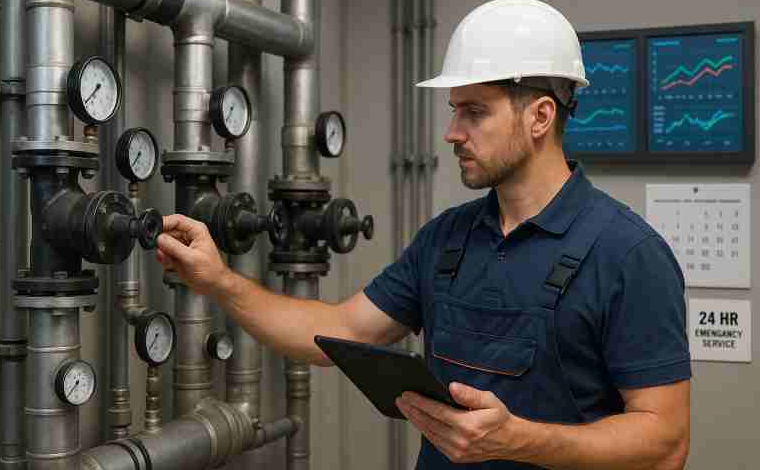
Even the strongest piping systems need maintenance. Materials degrade over time from wear, thermal cycles, and chemical exposure. Regular inspections are essential, especially in industrial settings where seasonal changes and operational demands add strain.
A proactive maintenance plan may include:
- Routine visual inspections
- Checking for corrosion, rust, or leaks
- Monitoring system pressure and flow
- Replacing aged or worn components
Maintenance not only extends the lifespan of the system but also protects workers and equipment from avoidable hazards.
See also: When Your Smart Wallet Keeps You Safe: Using Tech to Set Gambling Limits and Stay in Control
Building Long-Term Reliability
Reliable piping systems are the result of careful planning, quality materials, expert installation, and ongoing maintenance. Whether you’re building a new system or upgrading an existing one, partnering with professionals who understand industrial requirements is crucial. This ensures a system that can withstand pressure, time, and evolving industry demands, saving resources and preventing future issues.