Rich in both colour and nutrients, ube has gone from traditional Filipino kitchens to trendy cafés across Canada. Its vibrant purple hue isn’t just for show it’s a sign of deep antioxidant power and surprising versatility. Whether you’re looking to boost your health, try new dessert recipes, or simply explore a unique flavour, ube offers something special. But enjoying ube isn’t just about throwing some purple yam into a smoothie. To truly maximize its benefits, you need to understand how it interacts with your body, how to cook it properly, and where to find high-quality sources especially if you’re in Canada. In this article, we’ll walk through everything you need to know, including how to include it in your daily meals, the differences between ube and taro, and even how it may fit into certain dietary goals like gluten-free or vegan lifestyles. Let’s explore the potential of this vibrant root vegetable and see how it can brighten your plate and your health.
Understanding what makes ube so powerful
At its core, ube (Dioscorea alata) is a root vegetable that grows primarily in Southeast Asia, with deep cultural roots in the Philippines. Often confused with taro due to its similar use in desserts, ube stands out thanks to its naturally sweet flavour and deep purple pigment a clear signal of its rich anthocyanin content, a powerful antioxidant also found in blueberries and red cabbage. These antioxidants can support cellular health, reduce inflammation, and potentially play a role in preventing chronic diseases. But that’s not all ube is also rich in complex carbohydrates, vitamin C, potassium, and dietary fiber, making it a well-rounded nutritional option for anyone looking to improve their diet.
For Canadians trying to add more colour and variety to their meals, this purple yam offers both novelty and nutrition. Many products labelled “ube” on store shelves may actually be purple sweet potato or artificially coloured desserts. It’s essential to read the label and check for terms like “purple yam” or “Dioscorea alata” to ensure you’re getting the real thing.
How to use ube in cooking and baking
Working with ube can feel like opening the door to a new culinary universe. It’s commonly sold in three forms: fresh root, frozen grated, or ube powder, which is particularly convenient for baking. The most popular way to prepare ube is through ube halaya, a Filipino jam made by simmering grated ube with coconut milk and condensed milk until it thickens into a luscious, sweet spread. From there, you can use it as a filling for pastries, a base for lattes, or even mixed into pancakes and waffles.
In baking, ube pairs beautifully with coconut, vanilla, and dairy-based creams. Try adding ube powder into your muffin, cupcake, or cookie dough for a subtle earthy sweetness and brilliant colour. Popular ways to cook with ube:
- Ube halaya
- Ube pancakes
- Ube cheesecake
- Ube mochi
- Ube smoothies
- Ube ice cream
- Ube lattes
Using ube in savoury dishes is less common, but very possible. Try blending it into mashed potatoes, gnocchi dough, or soups where its natural sweetness can create a complex flavour contrast.
What does ube taste like compared to taro?
While ube and taro are often used interchangeably in desserts, their flavour profiles are quite different once you pay attention.
Ube: sweet, nutty, vanilla-like
Ube has a naturally sweet and slightly nutty taste with hints of vanilla. This makes it ideal for sweet preparations without needing much added sugar. Its flavour is rich yet mellow, often compared to white chocolate or even coconut.
Taro: earthy, starchy, mild
Taro, on the other hand, has a more neutral, earthy flavour and is more commonly used in savoury dishes or less-sweet desserts. It’s a bit like a starchier potato with subtle nutty undertones. This flavour difference means ube often stands on its own in desserts, while taro needs more enhancements to shine. Understanding this distinction is important for anyone new to cooking with either ingredient. If you’re buying a drink or dessert advertised as “ube”, make sure it’s not purple-coloured taro a common mix-up in cafés and bakeries.
See also: How Optometry Can Help Maintain Your Eye Health
Maximizing the nutritional benefits of ube
Ube isn’t just a pretty face it offers real, tangible health benefits. That said, how you prepare it matters. Boiling or steaming the root without added sugars allows you to take advantage of its fiber and antioxidants without the drawbacks of processed sugar. If you’re incorporating ube into weight loss diets or a gluten-free lifestyle, aim to cook it in minimalist ways. Think roasted ube chunks in salads or grated into energy balls with dates and seeds. When using ube powder, look for options without added sugar or dyes.
Here are some nutrition-focused ways to get the most from ube:
- Blend steamed ube into smoothies
- Use unsweetened ube halaya in oatmeal
- Add ube puree to protein pancakes
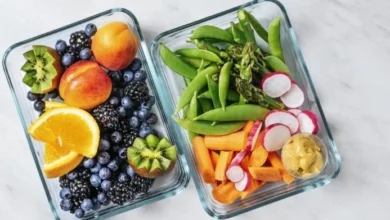
- Include it in meal prep bowls with quinoa and veggies
Keep in mind, moderation is key. While ube is high in complex carbs, it can still spike blood sugar if consumed in large quantities, especially in processed desserts.
Where to find high-quality ube in Canada
Finding authentic ube can be tricky if you’re not sure where to look. Most major cities in Canada now have Filipino supermarkets or Asian grocery stores that carry frozen or powdered ube. In smaller towns, your best option may be to order online from organic suppliers. Look for:
- Frozen grated ube with no added ingredients
- Ube powder labeled “100% purple yam”
- Canned ube halaya with simple ingredients
Avoid products with excessive sugar or artificial colouring, especially if you’re aiming for the health benefits of the root itself. Some Canadian stores now offer vegan ube options or even ube-infused drinks and baked goods that keep the integrity of the ingredient intact.
Your purple path forward
From its nutrient-rich profile to its artistic impact on your plate, ube is more than a food trend it’s a valuable addition to a healthy, adventurous lifestyle. Whether you’re crafting a smoothie, baking a vibrant cake, or simply exploring Filipino culture, ube gives you both nourishment and novelty. So, what will your next ube creation be? Want to explore more ways to bring this powerful root into your life? Let your curiosity lead the way purple has never looked so promising.