Water is a powerful force, essential to life, and in the modern world, it is at the heart of innovation. With growing concerns about climate change, sustainability, and efficient water management, industries are turning toward creative solutions. Among these innovations is the water blade, a versatile tool that is changing the way we interact with water. The water blade combines efficiency with aesthetic appeal, helping to address both functional and environmental challenges. This article delves into the future of water movement through the lens of the water blade, exploring its applications, benefits, and potential impact on energy generation, water conservation, and design aesthetics.
Understanding the Water Blade
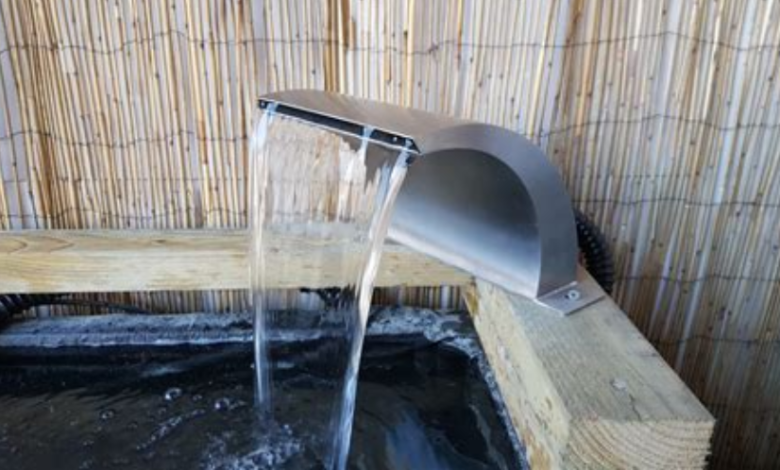
At its core, the water blade is a high-efficiency device designed to control and direct the flow of water. It is often seen in landscaping, commercial, and residential settings, offering an elegant solution for water features such as waterfalls, ponds, and fountains. The defining characteristic of the water blade is its thin, blade-like edge that allows water to cascade in a uniform sheet, creating a smooth, controlled flow. This sleek design not only looks visually appealing but also maximizes the efficiency of water movement.
In addition to its aesthetic properties, water blades can also be used in industrial and environmental applications. They are now being integrated into energy generation systems, particularly those focused on harnessing the power of water. The ability of water blades to create controlled flows of water makes them ideal for use in renewable energy technologies, such as hydroelectric power, where managing water flow is crucial to maximizing energy output.
The Role of Water Blades in Renewable Energy
One of the most exciting developments in water blade technology is its application in energy generation. Traditional hydropower systems rely on the movement of water through turbines to generate electricity. However, these systems often require large bodies of water, like rivers or dams, and are not as efficient in low-flow environments. Water blades, on the other hand, are designed to work efficiently in areas with slow-moving or small amounts of water.
In recent years, advancements in water blade technology have led to the creation of devices such as the Waterotor turbine. This turbine uses specially designed blades to capture kinetic energy from water currents, converting that energy into usable electricity. The efficiency of water blades in low-flow environments makes them ideal for small-scale, decentralized energy generation. This is particularly useful in rural areas or off-the-grid locations where traditional hydropower options might not be feasible.
Water blades are also being incorporated into micro-hydropower systems, which can generate electricity for individual homes or small communities. These systems can harness the power of even the smallest streams or rivers, offering a reliable and renewable energy source without the environmental impact of larger hydropower projects. As the world shifts toward cleaner energy sources, water blades represent an essential piece of the puzzle in the transition to sustainable power generation.
Water Conservation Through Water Blades
Water conservation is one of the most pressing issues of our time. As populations grow and water resources become scarcer, finding ways to use water more efficiently is crucial. Water blades have shown great promise in helping to reduce water consumption, particularly in domestic and commercial settings.
One of the key applications of water blades in water conservation is their use in faucets, showers, and other water fixtures. Traditional faucets and showerheads can waste large amounts of water due to inefficient flow and pressure. By using water blades in the design of these fixtures, manufacturers have created products that deliver a controlled, efficient flow of water, reducing waste. For example, a Waterblade faucet can cut water usage by up to 75% while maintaining the same performance level. This makes it an ideal solution for homeowners and businesses looking to reduce their water footprint and lower their utility bills.
In commercial and industrial settings, water blades are also being used in systems that recycle and reuse water. In car washes, for example, water blades are used to streamline the drying process by quickly removing water from vehicle surfaces, reducing the need for additional rinsing or excessive water usage. Similarly, in agriculture, water blades are being integrated into irrigation systems to provide more precise water distribution, minimizing waste and maximizing efficiency.
See also: Transform Your Home with Bespoke Custom Rooflights
Aesthetic Impact of Water Blades in Landscape Design
Beyond their practical applications, water blades have made a significant impact on landscape and architectural design. Their sleek, linear appearance offers a modern and sophisticated alternative to traditional fountains or water features. Water blades are particularly popular in contemporary gardens, where they create an eye-catching visual centerpiece. The water flows smoothly across the blade, creating a serene and tranquil atmosphere that enhances the ambiance of outdoor spaces.
In addition to their aesthetic appeal, water blades also have functional benefits in landscaping. They can be used to improve the aeration of ponds and water features, promoting a healthier environment for fish and plants. By creating a constant flow of water, water blades help prevent stagnation, which can lead to algae growth and poor water quality. This makes them not only a beautiful addition to a garden but also a beneficial one for maintaining a balanced ecosystem.
Water blades are also being used in commercial and public spaces to create striking water installations that draw attention and enhance the overall design. From hotels and resorts to museums and corporate offices, water blades are used to create visually dynamic displays that attract visitors and create a sense of luxury and elegance.
The Future Potential of Water Blades
As the world moves toward more sustainable and energy-efficient solutions, the future of water blades looks bright. Advances in technology will likely lead to even greater efficiency and new applications for water blades across various industries.
In the realm of renewable energy, water blades will continue to play a key role in the development of small-scale hydropower systems. As more people seek alternative energy sources, micro-hydropower systems that use water blades to generate electricity will become more widespread. Additionally, the development of smart water management systems that integrate water blades and other technologies, such as IoT sensors, will allow for real-time monitoring and optimization of water usage. This could lead to even greater efficiency in industries like agriculture, where precise water delivery is critical.
In landscape design, the use of water blades will continue to evolve. Designers will find new ways to integrate water blades into both residential and commercial projects, using them to create visually stunning features that are also environmentally responsible. With growing interest in sustainable landscaping, the water blade will become an essential tool in creating eco-friendly water features.
Conclusion
The water blade represents a forward-thinking solution to a range of challenges related to water movement, energy generation, and conservation. Its versatility makes it an ideal tool for a wide range of applications, from renewable energy systems to water-saving fixtures and aesthetic water features. As technology continues to advance, the potential for water blades to contribute to a more sustainable and efficient world is limitless. Whether used to harness the power of water, conserve valuable resources, or enhance the beauty of outdoor spaces, the water blade is undoubtedly shaping the future of water movement in profound ways. The future of water blades is bright, offering an exciting glimpse into a world where water is both a functional and aesthetic asset in the quest for sustainability.
Clearing Up Confusion
1. What is a water blade?
A water blade is a sleek, linear device that creates a smooth, uniform waterfall effect in ponds, enhancing aesthetics and improving water flow.
2. What are the benefits of using a water blade in a pond?
It improves pond aeration, prevents stagnation, enhances aesthetics, and creates a calming waterfall effect.
3. Can a water blade be used in all ponds?
Yes, water blades can be used in various pond sizes, including koi ponds, water gardens, and decorative ponds.
4. How do I maintain a water blade?
Simply clean it regularly with a soft cloth and check for debris or blockages to ensure proper water flow.
5. Are water blades energy-efficient?
Yes, water blades are energy-efficient when paired with low-wattage pumps, minimizing water and energy usage.