Introduction: Revolutionizing Home Cleaning Through Automation
In today’s fast-paced world, the convenience of a clean home without the burden of constant maintenance is highly valued. Robot vacuums have emerged as a popular solution, offering a way to automate floor cleaning and save precious time. These devices combine technology and convenience, fitting seamlessly into modern lifestyles.
How Robot Vacuums Work: Principles and Technologies
Robot vacuums function using a sophisticated combination of sensors, navigation systems, and suction mechanisms. Here’s a closer look at the key aspects of their operation:
Navigation Systems and Sensors
Robot vacuums utilize advanced sensors and navigation systems to map their surroundings and avoid obstacles. They employ technologies such as:
- Cameras and LiDAR: These create detailed maps, guiding the robot to cover the entire floor.
- Obstacle Sensors: Infrared or ultrasonic sensors detect furniture, walls, and other obstacles, preventing collisions.
- Cliff Sensors: These prevent the robot from falling off stairs or ledges.
Cleaning Mechanisms
The cleaning process typically involves:
- Brushes: Rotating brushes sweep dirt and debris towards the suction inlet.
- Suction: A motor generates suction to lift dirt and dust into a collection bin.
- Adjustable Suction: Many models offer adjustable suction power to cater to different floor types.
See also: Streamlining International Procurement
Factors Affecting Cleaning Performance
The effectiveness of a robot vacuum depends on several factors, which influence how well the device cleans.
Floor Type
Different floor types present different challenges:
- Hard Floors: Robot vacuums perform exceptionally well on hard floors, efficiently collecting dust and dirt with minimal effort.
- Carpets: Effectiveness on carpets varies. They work well on low-pile carpets but struggle with thick carpets where the suction may not reach deeply enough.
Room Layout
The layout of a room can affect a robot vacuum’s ability to clean thoroughly:
- Open Spaces: Open spaces allow for free movement and efficient cleaning.
- Small Rooms and Obstacles: Smaller rooms with tight corners and numerous obstacles can reduce cleaning efficiency.
Device Maintenance
Regular maintenance is crucial for optimal performance:
- Cleaning Frequency: Regularly cleaning brushes, filters, and wheels ensures sustained suction power and maneuverability.
- Optimal Operating Conditions: Keeping the vacuum charged, the dustbin empty, and sensors clean maximizes performance.
Improving Cleaning Efficiency
Several strategies can improve a robot vacuum’s cleaning performance:
- Regular Upkeep: Clean brushes, filters, and sensors to prevent clogging and maintain suction power.
- Optimizing Schedules: Schedule cleaning during times when interruptions are least likely.
- Using Accessories: Utilize virtual walls or edge brushes to focus on areas needing extra attention.
- Adjusting Frequency: Increase cleaning frequency for larger or dirtier spaces.
Advantages of Robot Vacuums in Daily Life
These devices offer several key advantages:
Time-Saving Automation
Robot vacuums automate a fundamental chore, freeing up time for other activities. They can be scheduled to clean while residents are away, ensuring a tidy home without manual effort.
Consistent Cleaning
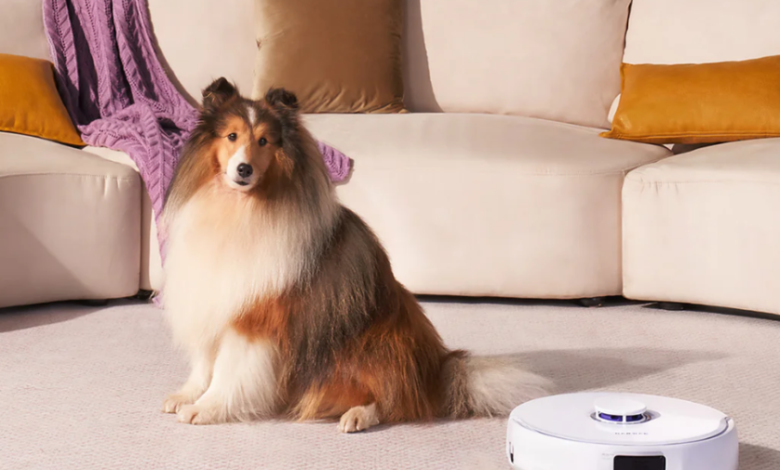
Regular scheduled cleaning ensures a consistently clean environment, reducing dust and allergens. This is particularly valuable for pet owners or people with allergies.
Convenience and Smart Home Integration
Many models offer smartphone app control and integration with smart home systems, allowing for remote operation and voice commands. This level of integration adds to the convenience, making it easy to adapt cleaning schedules.
Overcoming Limitations and Challenges
While robot vacuums offer numerous benefits, they aren’t without limitations:
- Cleaning Efficiency: Robot vacuums may not completely replace traditional vacuuming for deep cleaning or hard-to-reach areas.
- Initial Investment: The upfront cost can be higher than traditional vacuums, though the convenience and time savings can justify the expense.
- Maintenance: Robot vacuums require regular upkeep to ensure optimal performance.
Future Trends and Innovations
The future of robot vacuum technology appears promising, with several key areas of development:
Advances in Navigation and Sensors
Anticipate even more precise navigation systems, enabling vacuum robots to better avoid obstacles and clean hard-to-reach spaces.
Enhanced Cleaning Capabilities
Future models will likely offer improved performance on carpets, stronger suction, and more effective cleaning heads.
Integration with Smart Home Ecosystems
Moving forward, expect even greater integration with other smart home appliances, such as air purifiers, enhancing home cleanliness and air quality working in sync with each other.
Case Studies and Real-World Applications
User reviews reveal a mix of experiences:
- Positive Feedback: Users with hard floors often report great success in managing dust, pet hair, and crumbs. Pet owners appreciate the convenience of regular cleaning with minimal effort.
- Challenges: Users with carpets, particularly thick ones, often find these devices less effective, struggling with embedded dirt and pet hair. Clutter and small spaces can also lead to the robot getting stuck or missing areas.
Making an Informed Purchase Decision
Selecting the right robot vacuum involves considering various factors:
- Floor Type: Identify the primary floor types in your home to choose a robot vacuum with appropriate cleaning capabilities.
- Room Layout and Size: Consider the complexity and size of the rooms. Smart mapping features are beneficial for larger or more complex layouts.
- Budget: Set a budget and compare features within that range.
- Smart Features: Determine which smart features, such as app control or voice assistant integration, are most important.
Maintaining Your Robot Vacuum
To maintain the high quality of operation, there are numerous things to keep in mind:
- Regular Cleaning: Routinely clean the brushes, filters, and sensors.
- Emptying the Dustbin: Empty the dustbin frequently to promote optimal suction.
- Charging Habits: Always ensure that the battery is fully charged to prevent any disruptions during cleaning.
Conclusion: Embracing Automated Cleaning
Robotic vacuum offer a compelling solution for simplifying daily floor cleaning, especially in homes with high foot traffic, pets, or predominantly hard floors. These smart devices provide a convenient and efficient way to manage dust and dirt. While factors like room layout and floor type can influence performance, by keeping your robot vacuum well-maintained and strategically scheduled, you can enjoy a cleaner home with minimal effort.