Polygraph testing, commonly referred to as a “lie detector test,” has been a topic of both intrigue and controversy for decades. While some see it as a reliable method for detecting deception, others question its scientific validity. Lie detector test In Indiana, polygraph tests are frequently used in law enforcement, employment screening, and occasionally in legal proceedings. This article delves into how polygraph tests work, their legal standing in Indiana, and the contexts in which they are used.
What is a Polygraph Test?
A polygraph is an instrument that measures and records several physiological indicators such as heart rate, blood pressure, respiratory rate, and skin conductivity while a person answers a series of questions. The underlying theory is that deceptive answers will produce physiological responses that can be differentiated from those associated with truthful responses. A typical polygraph examination consists of three stages: the pre-test interview, the chart collection phase, and the analysis of the results. During the pre-test phase, the examiner establishes a baseline of the subject’s physiological responses to non-threatening questions. This helps to distinguish any abnormal changes during the actual test when more pointed questions are asked. The examiner then interprets the data to determine whether the subject was being truthful or deceptive during the questioning.
Legal Use of Polygraph Tests in Indiana
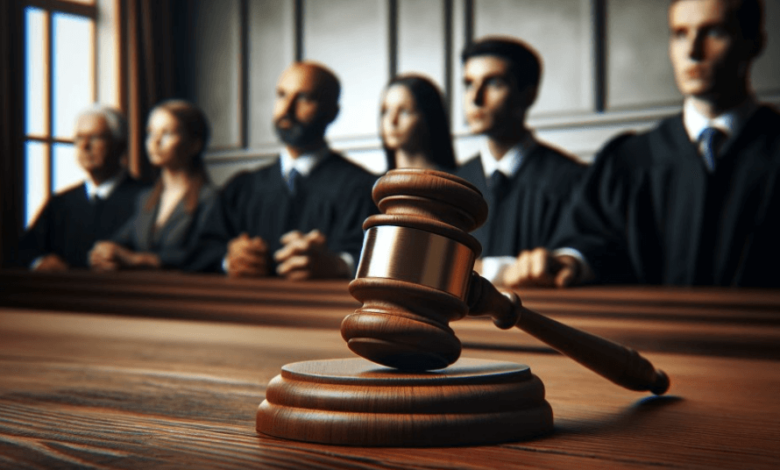
Indiana has specific regulations regarding the use of polygraph tests. In the legal system, the results of a polygraph test are generally not admissible in court due to questions about their reliability. However, there are exceptions if both parties agree to the admission of polygraph evidence beforehand. In criminal investigations, law enforcement agencies in Indiana may use polygraph tests as part of their investigative process. While the test results themselves may not be used as direct evidence, they can influence the direction of the investigation or be used to encourage a confession or further questioning. In some cases, individuals under investigation may voluntarily agree to take a polygraph test in hopes of clearing their name.
See also: Energy Efficiency and Durability: The Power of Engine LED Lights
Employment Screening and Private Use
In the private sector, the use of polygraph tests is more restricted. The federal Employee Polygraph Protection Act (EPPA) limits the use of lie detector tests by most private employers. However, there are notable exceptions such as armored car services, security companies, and businesses involved in the manufacture or distribution of controlled substances. These entities may require polygraph testing under specific conditions. In Indiana, private individuals or businesses seeking polygraph testing must work with licensed polygraph examiners. The Indiana Polygraph Association helps regulate and certify professionals in the field to ensure ethical standards and consistent testing practices are maintained.
Accuracy and Controversies
One of the biggest debates surrounding polygraph tests is their accuracy. Proponents argue that when conducted by trained professionals under proper conditions, polygraph tests can be up to 90% accurate. Critics, on the other hand, point out that the physiological responses measured by a polygraph can be influenced by a variety of factors unrelated to lying, such as anxiety, fear, or medical conditions. Because of this, many scientists and legal experts caution against relying too heavily on polygraph results. False positives—where a truthful person is deemed deceptive—and false negatives—where a deceptive person is judged to be truthful—are both possibilities that can have serious consequences.
Location in Indiana
- Lafayette – 2231 S 30th St, Lafayette, IN 47909
Conclusion: Proceed with Caution
In Indiana, polygraph tests continue to serve as useful tools in certain investigative and employment contexts. However, due to ongoing debates about their reliability and the legal limitations surrounding their use, they should not be viewed as infallible truth machines. Individuals considering taking or requesting a polygraph test should be fully informed about its limitations and the legal framework governing its use. Whether used to support law enforcement investigations or pre-employment screenings, polygraph tests are best approached with a balanced understanding of both their capabilities and their shortcomings.