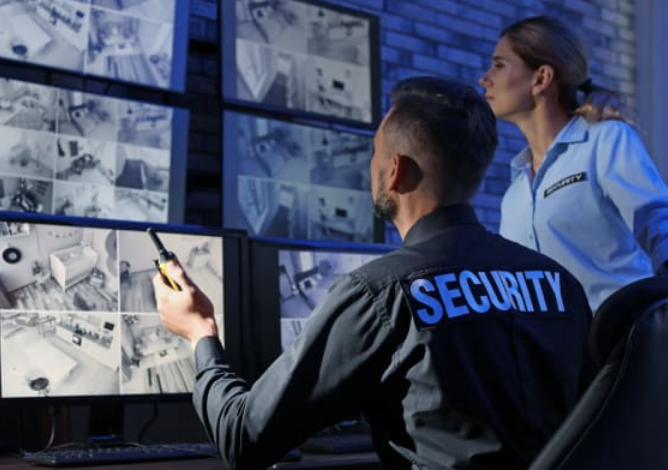
High-profile events look glamorous on camera—packed venues, VIP arrivals, media coverage, celebrity guests, and high energy. But behind the scenes, these events are also full of risk. One mismanaged entrance can create a crowd crush. One unclear VIP route can cause a security breach. One viral social post can pull unexpected people to the venue in minutes.
That’s why real High-profile event security isn’t about reacting when something goes wrong. It’s about preventing chaos before it ever starts.
This guest post breaks down what professionals actually do before, during, and after a major event to keep everyone safe—without ruining the guest experience.
The Truth: Most Event “Emergencies” Are Predictable
When chaos happens at events, it usually isn’t random. It’s often caused by:
- Poor entry/exit planning
- Weak access control (too many people in restricted zones)
- Staff miscommunication
- Bad crowd flow design
- Uncontrolled VIP arrivals
- No clear emergency procedures
- Overreliance on “more guards” instead of better systems
Professional High-profile event security is built on systems—not hope.
Step 1: Risk Assessment (Before the First Guest Arrives)
Every event has a unique risk profile. A corporate gala is not the same as a political fundraiser. A concert is not the same as a product launch with influencers.
Professionals start by evaluating:
- Guest profile (VIPs, executives, public figures, controversial speakers)
- Attendance size and crowd behavior expectations
- Venue layout, choke points, and blind spots
- Neighborhood/location risk factors
- Media presence and public attention level
- Historical threats (protest activity, harassment, online threats)
This is the foundation of High-profile event security, because you can’t manage risk you haven’t identified.
Step 2: Crowd Flow Planning (The Silent Chaos Killer)
Crowd problems don’t start with a fight—they start with bottlenecks.
Security teams prevent issues by designing a flow:
- Separate entry points for general guests, staff, vendors, and VIPs
- Clear line management to prevent pushing and cutting
- Stanchions and barriers placed strategically (not randomly)
- Proper signage so guests aren’t confused and frustrated
- Staff placed where people naturally hesitate or gather
Good crowd flow is one of the biggest wins in High-profile event security because it reduces tension before it builds.
Step 3: Access Control That Actually Works
“VIP area” means nothing if the wrong people can wander into it.
Professionals lock down access with:
- Credential checks at the correct choke points (not just at the front door)
- Clear distinctions between guest, staff, vendor, and media access
- Wristband/badge systems that are hard to fake
- A controlled back-of-house plan (kitchens, hallways, green rooms, loading zones)
- Strict rules for “friend of a friend” entry requests
In real High-profile event security, the biggest breaches often happen through side doors—not main entrances.
Step 4: VIP Arrival and Movement Plans
VIPs create pressure. People rush. Phones go up. Crowds tighten. Media pushes closer.
Professionals prevent that by planning:
- A private or low-exposure arrival zone
- Controlled timing so VIPs don’t arrive into peak congestion
- A secure route from vehicle to venue
- A safe waiting area/green room
- A clear exit plan that avoids crowd build-up at the end
This is a key part of High-profile event security: movement control prevents 90% of “surprise moments.”
Step 5: Staff Briefing (Because Confusion Creates Risk)
You can have the best security team in the world—and still fail if event staff don’t know the plan.
A professional briefing covers:
- Who to call if something feels off
- What doors must stay locked
- Where media is allowed and not allowed
- How to handle an uninvited guest calmly
- Where to direct VIPs and who escorts them
- Emergency procedures (medical, fire, evacuation)
Security success often comes down to the simplest thing: everyone knowing their job.
See also: Why Brands Invest in Eye-Catching Visual Display Tools
Step 6: De-Escalation Before Enforcement
Most event issues start small:
- A guest is intoxicated
- Someone gets aggressive with staff
- A person refuses to leave a restricted area
- A heated argument escalates
Professionals use calm authority and de-escalation first:
- Controlled communication
- Clear boundaries
- Quiet escorting away from crowds
- Minimal force, minimal drama
Strong High-profile event security protects the event’s reputation as much as it protects people.
Step 7: Emergency Response Planning (Hope Is Not a Plan)
Every major event needs clear procedures:
- Medical response (who has kits, where EMS enters)
- Evacuation routes and rally points
- Active threat response protocols
- Communication systems (radios, backup phone channels)
- Post-incident coordination
Professionals don’t assume emergencies will happen—but they prepare like they can.
That preparation is the difference between an incident that’s handled quietly and one that turns into headlines.
What Guests Should Feel (If Security Is Done Right)
When High-profile event security is executed properly, guests experience:
- Smooth entry
- Clear directions
- Minimal wait times
- Calm environment
- No confusion about where to go
- A safe, premium experience
The best security doesn’t look aggressive—it looks organized.
Final Thoughts
High-profile events don’t become chaotic because of “bad luck.” They become chaotic because critical details weren’t planned, communicated, or controlled.
Professional High-profile event security prevents problems through risk assessment, crowd flow design, access control, VIP movement planning, staff briefing, and calm de-escalation—long before anything goes wrong.
For event organizers who need security that protects both people and brand reputation, American Strategic Consulting, PLLC provides professional event security solutions built around prevention, discretion, and real-world control—so your event runs smoothly from the first arrival to the final exit.