Maintaining optimal humidity levels is essential for industries where moisture can impact product quality and operational efficiency. Excess humidity can lead to mold, corrosion, spoilage, and compromised material integrity. Advanced dehumidification systems from Bry-Air provide precise moisture control, ensuring that sensitive materials remain protected and operations continue efficiently. These systems are designed to handle large scale industrial and commercial environments while offering flexibility for different types of products and surfaces.
Investing in industrial dehumidifiers helps businesses protect their inventory, maintain equipment longevity, and enhance overall productivity. Understanding how these systems work and the advantages they provide can help facilities improve product quality while reducing losses caused by environmental conditions.
What Are Industrial Dehumidifiers and How Do They Work?
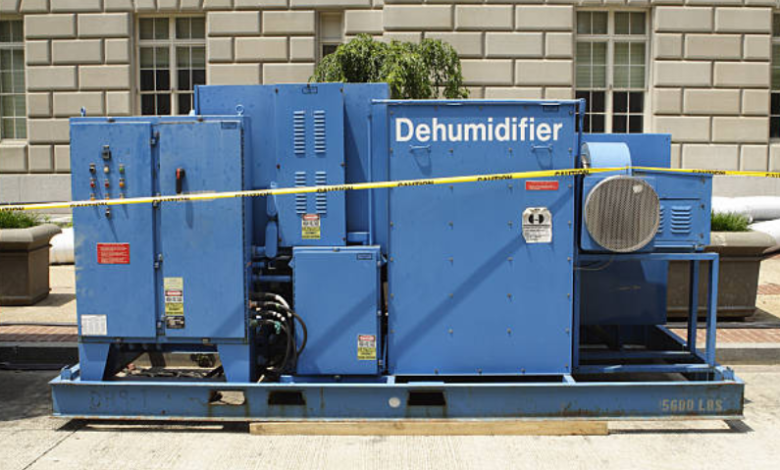
Industrial dehumidifiers remove moisture from the air using desiccant materials or refrigeration processes. Moist air is drawn into the system, moisture is extracted, and dry air is released back into the environment. Some systems integrate sensors and automated controls to maintain target humidity levels accurately.
These systems are ideal for factories, warehouses, storage facilities, and processing plants where consistent environmental conditions are crucial. By preventing excess moisture, industrial dehumidifiers protect products and equipment while maintaining a safe and controlled environment.
How Does Humidity Affect Product Quality?
Humidity can have a significant impact on the quality and longevity of products. Excess moisture promotes mold, mildew, and bacterial growth, which can spoil materials and compromise hygiene. In electronics, high humidity can cause corrosion and damage sensitive components. Food and pharmaceutical industries also require precise humidity control to ensure product stability and compliance with standards.
By controlling humidity, dehumidification systems protect products, reduce waste, and maintain quality throughout storage and production cycles.
Can Industrial Dehumidifiers Enhance Operational Efficiency?
Industrial dehumidifiers improve operational efficiency by preventing moisture-related issues that disrupt processes. Equipment exposed to high humidity may experience corrosion or decreased performance, resulting in downtime and maintenance costs. By maintaining consistent environmental conditions, these systems reduce operational interruptions and extend the lifespan of machinery.
Advanced systems with automated controls provide real-time monitoring, allowing facilities to adjust humidity levels efficiently. This ensures uninterrupted operations and optimal performance across various industrial processes.
What Are the Energy and Cost Benefits?
Modern industrial dehumidifiers are energy efficient and reduce overall operational costs. By controlling moisture precisely, they prevent damage to products and equipment, eliminating the need for costly repairs or replacements. The compact design of these systems also reduces storage requirements and transportation costs, as they often consume less space and are easy to deploy.
Using advanced dehumidification solutions ensures long-term savings while maintaining a reliable and consistent environment. Energy efficient operations contribute to sustainability and reduce the facility’s carbon footprint.
How Are Industrial Dehumidifiers Tailored for Different Industries?
Different industries have unique humidity requirements. Dehumidifiers can be customized to meet these needs. Food processing facilities benefit from maintaining low humidity to prevent spoilage and microbial growth. Electronics and data centers require stable humidity to prevent corrosion and maintain equipment performance. Pharmaceutical storage demands precise control to maintain drug stability and compliance with quality standards.
These systems are flexible and scalable, providing solutions suitable for various industrial and commercial environments.
How Do Dehumidifiers Improve Workplace Safety?
By maintaining stable humidity, dehumidifiers reduce the risk of mold, mildew, and condensation, which can create unsafe working conditions. Excess moisture on floors or equipment can lead to slips, corrosion, or electrical hazards. Proper humidity control enhances workplace safety by maintaining a dry, stable, and healthy environment.
This is particularly important in production or storage areas where environmental conditions directly impact both safety and operational efficiency.
See also: When Your Smart Wallet Keeps You Safe: Using Tech to Set Gambling Limits and Stay in Control
How Do You Maintain Industrial Dehumidifiers?
Regular maintenance ensures dehumidifiers perform optimally. This includes inspecting filters, cleaning components, and checking sensors to prevent malfunctions. Many systems provide automated monitoring to track humidity levels and alert operators when adjustments are required.
Proper maintenance extends the lifespan of the system, ensures consistent performance, and protects products and equipment from moisture-related issues.
Conclusion
Industrial dehumidification is essential for maintaining product quality, operational efficiency, and workplace safety. Advanced systems provide precise moisture control, energy efficiency, and flexibility across industries. Using Bry-Air solutions and advanced dehumidifiers ensures reliable protection and optimal environmental conditions. For expert guidance and customized systems, Contact Us to enhance your facility’s moisture control and operational efficiency.