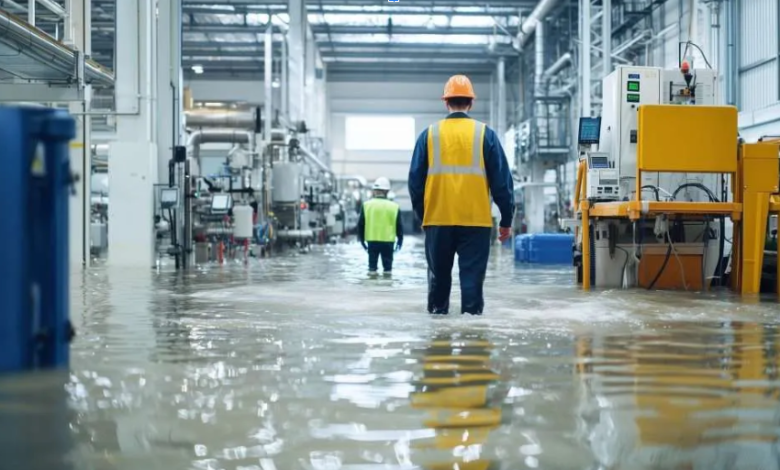
Water damage is one of the most disruptive challenges faced by industrial facilities. From flooded floors to damaged machinery, water intrusion can halt production, reduce efficiency, and create serious safety hazards. Facility managers must respond quickly to minimize operational losses and prevent further damage.
Professional water damage restoration is critical in industrial settings. Unlike small-scale water incidents, industrial environments involve complex machinery, sensitive equipment, and structural components that require specialized restoration techniques. Leveraging industrial drying services, facilities can remove moisture efficiently, prevent mold growth, and restore operations with minimal downtime. This blog explores the best practices for managing water damage and highlights effective strategies for industrial facilities.
Common Causes of Water Damage in Industrial Facilities
Understanding the sources of water damage helps facilities prevent and respond effectively. Water intrusion can happen in various ways, often creating unexpected disruptions.
Typical causes include:
- Burst pipes or plumbing failures due to corrosion, freezing, or aging infrastructure
- Heavy rainfall or flooding overwhelming drainage systems
- Equipment leaks, including cooling systems, storage tanks, or condensers
By identifying these risks, facility managers can implement preventive measures and develop faster response strategies to protect critical assets.
Effects of Water Damage on Industrial Operations
Water damage can have far-reaching consequences, affecting both operational efficiency and financial performance. Moisture can corrode machinery, damage electrical systems, and compromise sensitive materials. Even short-term water exposure can lead to significant downtime, impacting production schedules and revenue.
Other critical effects include:
- Production downtime and missed deadlines, causing delays in delivery and revenue loss
- Equipment and structural damage, resulting in costly repairs and extended recovery periods
Prompt and effective water damage restoration is essential to reduce these risks and ensure facilities remain operational and safe.
Key Water Damage Restoration Techniques
Restoring water-damaged industrial facilities requires a structured approach and specialized equipment. Professional restoration techniques ensure thorough moisture removal, prevent secondary damage, and restore productivity efficiently.
Some essential techniques include:
- Rapid water extraction using industrial-grade pumps and vacuums to remove standing water quickly
- High-capacity industrial drying units to accelerate evaporation from floors, walls, and machinery
- Moisture detection and monitoring to locate hidden water and confirm complete drying
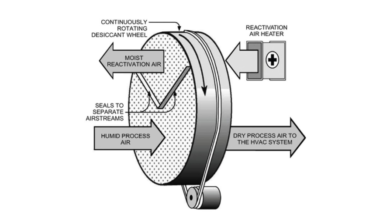
- Dehumidification using desiccant or refrigerant systems to control air humidity and prevent corrosion
Each method contributes to restoring the facility safely and efficiently. Using these strategies, facility managers can minimize downtime, protect equipment, and prevent long-term operational issues.
Role of Industrial Drying Services in Restoration
Professional industrial drying services are essential for efficient water damage restoration. These services provide advanced equipment and expert knowledge to handle large-scale industrial incidents effectively.
The main benefits include:
- Fast and efficient moisture removal, reducing the risk of corrosion and secondary damage
- Preventing mold growth, which can compromise both equipment and employee health
- Protecting sensitive machinery and inventory from prolonged water exposure
Industrial drying services ensure that facilities are restored to operational condition quickly, reducing downtime and maintaining business continuity.
See also: Understanding tn lcd Technology
Preventive Measures to Avoid Water Damage
Preventing water damage is more effective and cost-efficient than restoring a facility after an incident. Industrial facilities can implement several proactive strategies:
- Regular inspection and maintenance of plumbing and drainage systems
- Installing leak detection sensors and automated alerts for early intervention
- Maintaining roofs and gutters to prevent water ingress during heavy rainfall
- Using industrial dehumidifiers to control humidity and prevent condensation
- Employee training for emergency response and water management
By combining preventive measures with a solid restoration plan, industrial facilities can significantly reduce water-related risks and maintain smooth operations.
Conclusion
Water damage can disrupt industrial facilities, halt production, and cause significant financial losses. Professional water damage restoration combined with industrial drying services ensures rapid moisture removal, prevents secondary damage, and restores operations efficiently.
Facility managers should prioritize both restoration and preventive measures, including inspections, leak detection, and humidity control. By implementing these strategies, facilities protect equipment, minimize downtime, and maintain safe and reliable operations. Proactive water damage management is critical for sustaining industrial productivity, operational efficiency, and long-term success.
Need expert support for industrial water damage restoration and drying? Contact TDS Air Solutions for reliable, end-to-end solutions that help your facility recover quickly and stay protected against future moisture-related risks.

FAQs
1. What is industrial water damage restoration?
Industrial water damage restoration involves specialized techniques and equipment to remove water, dry structures, and restore damaged equipment in large facilities. Professional services help minimize downtime and prevent long-term damage.
2. How do industrial drying services help restore water-damaged facilities?
Industrial drying services use high-capacity drying units, dehumidifiers, and moisture monitoring to efficiently remove water, prevent mold, and protect sensitive machinery, ensuring fast recovery of operations.
3. What are common causes of water damage in industrial facilities?
Water damage can result from burst pipes, equipment leaks, heavy rainfall, flooding, or structural issues such as roof leaks. Identifying these causes helps facility managers implement preventive measures.
4. Can water damage affect production and safety?
Yes. Water damage can cause equipment failure, structural issues, production downtime, and safety hazards for employees. Prompt restoration and drying services are essential to maintain operations.
5. How can industrial facilities prevent future water damage?
Preventive measures include regular inspections of plumbing and drainage systems, installing leak detection sensors, maintaining roofs and gutters, using industrial dehumidifiers, and training employees to respond quickly to water incidents.