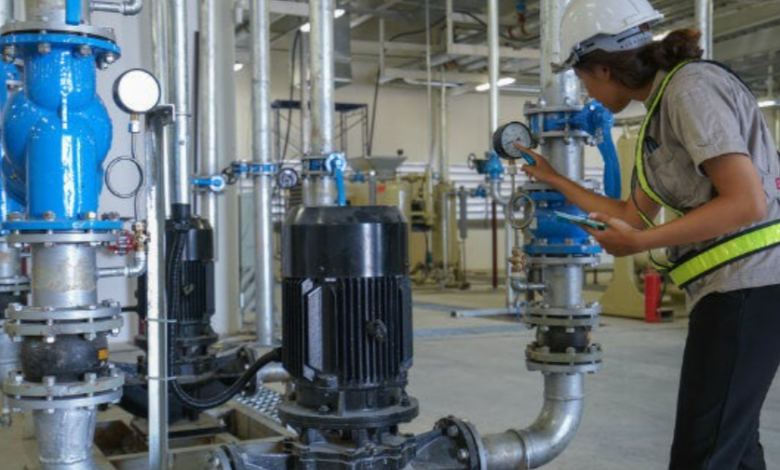
Industrial air quality is a critical factor in the efficiency and longevity of factory equipment. Compressed air that contains moisture can lead to rust, corrosion, and contamination, reducing productivity and increasing maintenance costs. For industries across India, where humidity levels can be high, maintaining clean, dry air is essential to ensure smooth operations.
Moisture removal systems are the key solution to these challenges. They protect machinery, improve operational efficiency, and ensure that production quality remains consistent. In this guide, we will discuss practical strategies for improving air quality, the types of moisture removal systems available, and essential maintenance practices to keep your air systems operating at peak performance.
Understanding Moisture in Compressed Air
Moisture in compressed air forms naturally when ambient air is compressed, as humidity condenses into water droplets. If left unchecked, this moisture can damage equipment, reduce the life of machinery, and even affect product quality.
In industrial environments, moisture can cause:
- Rust and corrosion in pipelines and tanks
- Reduced efficiency of pneumatic tools and machines
- Contamination of sensitive products, especially in food, beverage, and pharmaceutical industries
Excess moisture can also lead to unplanned downtime and increased repair costs. By understanding how moisture enters the system, industries can implement effective solutions to maintain optimal air quality.
Types of Moisture Removal Systems
Desiccant Air Dryers
Desiccant dryers remove moisture through absorption using materials like silica gel or activated alumina. These systems are ideal for factories that require extremely low dew points, such as pharmaceutical manufacturing, electronics, and precision engineering industries.
Desiccant dryers are effective in high-pressure and low-temperature environments. They can maintain very low dew points, protecting critical processes where even small amounts of moisture can be problematic. These systems do require periodic regeneration of the desiccant material, which can be automated to reduce operational effort.
Key features of desiccant dryers:
- Extremely low dew point for critical applications
- Suitable for high-pressure and low-temperature environments
- Regeneration required for continued efficiency
Refrigeration Air Dryers
Refrigeration dryers remove moisture by cooling compressed air, causing water to condense and separate from the airflow. These dryers are widely used for general industrial air treatment due to their cost-effectiveness and reliability.
Industries such as food processing, automotive manufacturing, and general factory operations benefit from refrigeration dryers because they handle high air volumes efficiently and provide consistent performance. Maintenance is straightforward, making them a practical solution for factories across India.
Key features of refrigeration dryers:
- Reliable and low maintenance
- Handles large air volumes efficiently
- Cost-effective solution for general industrial use
Air Filters and Coalescing Systems
In addition to dryers, air filters and coalescing systems remove moisture, oil, and particulate contaminants from compressed air. While they cannot achieve extremely low dew points like desiccant dryers, they are essential for protecting sensitive equipment and ensuring air purity before critical applications.
These systems are often used in combination with dryers to provide complete air purification and moisture removal. Regular maintenance ensures their efficiency and protects machinery from potential damage caused by residual moisture or debris.
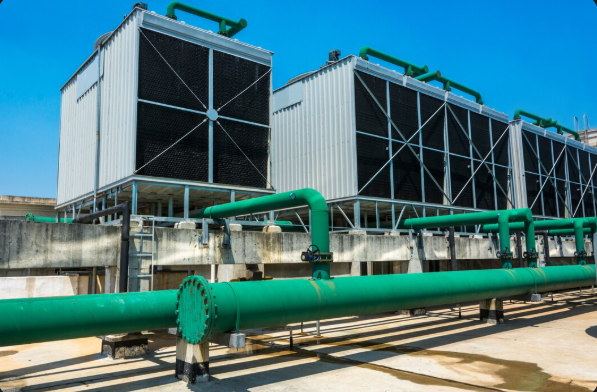
Applications of Moisture Removal Systems in Indian Industries
Moisture removal systems are vital in several industrial sectors across India. Each sector benefits in specific ways:
- Power Plants: Protect turbines and generators from moisture-related corrosion.
- Food and Beverage Manufacturing: Maintain hygiene standards and prevent contamination.
- Pharmaceuticals: Meet stringent quality standards in production and packaging.
- Automotive and Engineering Factories: Protect pneumatic tools and machinery from rust and operational inefficiency.
By implementing proper moisture removal systems, factories can extend the lifespan of their equipment, maintain product quality, and minimize downtime. The high humidity in India makes these systems particularly important for maintaining consistent industrial air quality.
Practical benefits include:
- Extended machinery life
- Improved production reliability
- Reduced unplanned downtime
- Consistent air quality for critical processes
See also: Desiccant Dehumidification Systems Explained for Industrial and Commercial Use
How to Choose the Right Moisture Removal System?
Selecting the right system is essential for effective industrial air treatment. Consider the following factors:
- Required Dew Point: Choose desiccant dryers for very low dew points, refrigeration dryers for moderate levels.
- Air Volume and Pressure: Ensure the system can handle the factory’s compressed air requirements.
- Maintenance and Space Constraints: Evaluate the ease of servicing and available installation space.
- Budget and Lifecycle Costs: Include energy consumption, initial investment, and maintenance in decision-making.
A well-chosen system not only protects machinery but also improves energy efficiency and operational performance.
Maintenance Tips for Industrial Air Quality Systems
Proper maintenance ensures that moisture removal systems function efficiently and consistently. Essential maintenance practices include:
- Inspect filters and separators regularly to prevent clogging
- Regenerate desiccant dryers according to manufacturer guidelines
- Clean refrigeration coils and drainage systems periodically
- Monitor moisture levels and overall system performance
Quick maintenance checklist:
- Replace clogged filters on time
- Check for air leaks
- Maintain proper air pressure
- Schedule professional inspections periodically
Consistent maintenance helps avoid unexpected downtime and prolongs the life of both the dryer and associated equipment.
Benefits of Using Moisture Removal Systems
Investing in a high-quality moisture removal system brings several operational and financial benefits. Clean, dry air prevents corrosion and rust, ensuring that machinery operates efficiently and reliably. It also protects sensitive processes in industries like pharmaceuticals, food and beverage, and electronics.
Additional advantages include:
- Reduced equipment repair and maintenance costs
- Minimized production delays due to moisture-related failures
- Improved reliability of pneumatic tools and systems
- Ensured compliance with industrial and quality standards
For factories in India, these systems are a practical investment that improves productivity while lowering long-term operational costs.
FAQs
Q1: Why is industrial air quality important?
Clean, dry air ensures machinery operates efficiently, prevents corrosion, and maintains product quality.
Q2: What is the main difference between desiccant and refrigeration dryers?
Desiccant dryers absorb moisture and achieve low dew points, ideal for critical applications. Refrigeration dryers condense moisture and are suitable for general industrial use.
Q3: Can filters alone remove moisture effectively?
Filters remove some moisture and particulates but cannot achieve the low dew points required for sensitive applications.
Q4: How often should moisture removal systems be maintained?
Maintenance depends on air volume and usage. Typically, filters are checked monthly, and desiccant dryers are regenerated weekly or as recommended by the manufacturer.
Q5: Do moisture removal systems save costs?
Yes. They reduce downtime, prevent equipment failure, and minimize maintenance costs, which improves overall operational efficiency.
Conclusion
Maintaining industrial air quality is essential for operational efficiency, machinery longevity, and product consistency. Moisture removal systems, including desiccant dryers, refrigeration dryers, and air filters, offer practical solutions to achieve clean, dry compressed air in factories. Choosing the right system and adhering to maintenance protocols ensures reliable performance and cost savings for Indian industries.
Looking to improve compressed air quality in your facility? Contact Delair for advanced moisture removal systems and expert guidance tailored to your industrial air quality requirements.