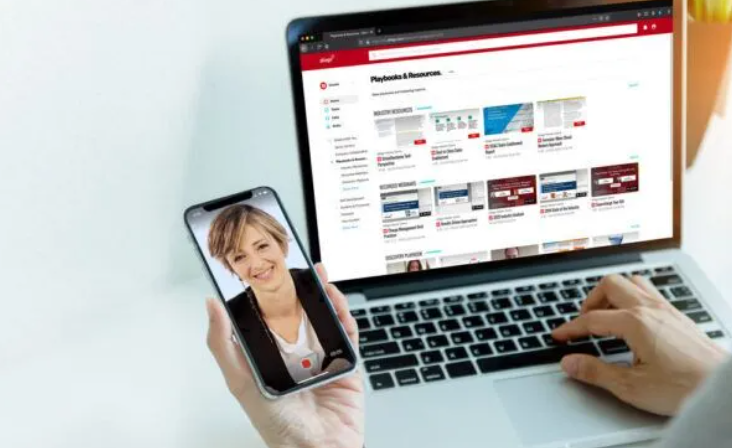
Digital sales teams rely on content every day. Product descriptions, pitch materials, case studies, comparison guides, pricing explanations, FAQs, email templates, demo follow-ups, onboarding resources, and customer proof all help move buyers through the sales journey. When this content is scattered across folders, old documents, email threads, internal chats, and disconnected systems, sales teams lose time and confidence. They may not know which version is current, which message is approved, or which resource best fits a specific buyer conversation.
Centralized content management helps solve this by giving sales teams one organized place to find, use, update, and share sales content. Instead of working with fragmented materials, teams can access a clear source of truth that supports consistent messaging and faster sales execution. For digital sales teams working across websites, CRM systems, customer portals, emails, and sales enablement tools, centralized content management creates a stronger foundation for productivity, accuracy, and better buyer experiences.
Creating One Reliable Source of Truth
One of the biggest benefits of centralized content management is that it gives sales teams one reliable source of truth. In many organizations, sales content is spread across multiple systems, which makes it difficult to know which version is approved or up to date. Continue reading to learn how centralized content management can help sales teams maintain accurate and consistent information across every interaction. A sales representative may find an old product sheet in a shared folder, while another team member uses a newer version from a campaign page. This creates confusion internally and can lead to inconsistent communication with buyers.
With centralized content management, product details, case studies, FAQs, sales guides, messaging documents, and customer proof can all be stored and maintained in one structured location. Sales teams no longer have to guess whether an asset is current. They can trust that the content they are using reflects the latest positioning, product information, and buyer guidance. This creates a more confident and professional sales process.
Reducing Time Spent Searching for Content
Sales teams work best when they can focus on conversations, relationships, and opportunities rather than searching for files. When content is poorly organized, representatives may spend valuable time looking for the right case study, product explanation, comparison guide, or pricing document. Even worse, they may recreate content themselves because they cannot find what they need. This slows down the sales process and increases the risk of inconsistent messaging.
Centralized content management makes sales resources easier to find through clear categories, search tools, metadata, and organized content libraries. Content can be grouped by product, buyer stage, industry, region, use case, or format. A salesperson preparing for a meeting can quickly locate the most relevant materials instead of searching through scattered folders. This saves time and helps sales teams respond faster to buyer needs. Faster access to content can make every sales interaction more efficient and better prepared.
Keeping Sales Messaging Consistent
Consistent messaging is essential in digital sales. Buyers often interact with several touchpoints before making a decision, including websites, emails, sales calls, product pages, webinars, and proposals. If each channel or salesperson communicates the value of a product differently, buyers may become confused. Consistency helps build trust because buyers hear the same core message throughout the journey.
Centralized content management helps businesses maintain message alignment by keeping approved positioning, value propositions, product descriptions, and calls to action in one place. Sales teams can use the same messaging foundation as marketing, product, and customer success teams. This does not mean every conversation becomes identical. Sales representatives can still personalize their approach, but they do so using accurate and approved content. Consistent messaging creates a stronger buyer experience and helps the brand feel more reliable at every touchpoint.
Improving Collaboration Between Sales and Marketing
Sales and marketing teams depend on each other, but they often work in separate systems. Marketing creates content to attract and educate buyers, while sales uses content to support conversations and close opportunities. If there is no shared content system, marketing may not know which resources sales teams actually use, and sales may not know when new or updated materials are available. This disconnect can reduce the value of content investments.
Centralized content management improves collaboration by giving both teams access to the same content environment. Marketing can publish approved resources, update messaging, and organize content by buyer need. Sales teams can use those materials in real conversations and provide feedback on what works, what is missing, and what buyers ask for most often. This creates a stronger feedback loop. Over time, content becomes more useful because it reflects both strategic messaging and real sales conversations.
Supporting Buyer Journey Alignment
Different buyers need different content depending on where they are in the sales journey. Early-stage buyers may need educational resources that explain a challenge. Mid-stage buyers may need comparison content, product pages, or use case guides. Late-stage buyers may need case studies, pricing explanations, implementation details, or reassurance around support. If sales teams cannot easily match content to the buyer’s stage, they may share materials that are too early, too advanced, or not relevant enough.
Centralized content management allows content to be organized by sales stage. Each resource can be labeled for awareness, consideration, decision, onboarding, or retention. This helps sales teams choose content that fits the buyer’s current needs. A prospect who is still exploring the problem can receive a helpful guide, while a buyer close to purchase can receive a detailed comparison or proof-based resource. Better content alignment makes sales conversations feel more relevant and useful.
Making Sales Enablement Materials Easier to Maintain
Sales enablement materials need regular updates. Product features change, pricing structures evolve, customer stories become outdated, market messaging shifts, and new objections appear during sales conversations. If content is stored in many different places, updating it becomes difficult. Some resources may be corrected while others remain outdated, creating confusion for sales teams and buyers.
Centralized content management makes maintenance easier by allowing teams to update content from a single location. Product descriptions, FAQs, proof points, and sales guides can be revised centrally and distributed across connected tools or resource centers. This reduces the risk of old materials being used after changes have been made. It also helps content owners manage review dates, approval workflows, and version history. When sales enablement content is easier to maintain, sales teams can rely on it more confidently.
Helping Teams Share the Right Content With Buyers
Sharing the right content at the right time can make a major difference in sales performance. A buyer who asks about implementation may need a practical onboarding guide. A buyer comparing options may need a comparison resource. A buyer looking for reassurance may need a relevant case study. If sales teams do not have easy access to the right content, they may send generic materials that do not fully answer the buyer’s question.
Centralized content management helps teams match resources to buyer needs more effectively. Content can be tagged by use case, industry, product, objection, or buyer stage. This makes it easier to find and share highly relevant materials during follow-ups or active conversations. Relevant content helps buyers feel understood and supported. It also makes the sales process more efficient because the content answers questions and moves the buyer closer to a decision.
Improving Onboarding for New Sales Representatives
New sales representatives need to learn a lot quickly. They must understand product messaging, buyer personas, common objections, customer proof, sales processes, competitive positioning, and available resources. If training content is scattered, onboarding becomes slower and less consistent. New team members may rely on outdated materials or ask colleagues for resources that should be easy to find.
Centralized content management supports better onboarding by organizing training and sales resources in one place. New representatives can access product guides, messaging frameworks, pitch materials, case studies, FAQs, and sales playbooks from a structured content hub. Content can be arranged by learning path, product line, buyer stage, or sales motion. This helps new team members ramp faster and develop stronger confidence. A well-organized content system makes onboarding more scalable, especially as sales teams grow.
Supporting Personalization in Sales Conversations
Modern buyers expect sales conversations to feel relevant to their situation. A generic pitch is often less effective than a message that reflects the buyer’s industry, goals, challenges, and stage in the decision process. However, personalization can become risky if sales teams create custom content from scratch without approved messaging. This can lead to off-brand language or inaccurate information.
Centralized content management supports personalization by giving teams approved content blocks that can be adapted for different contexts. Sales teams can find industry-specific case studies, audience-focused messaging, product benefits, objection responses, and relevant FAQs. They can personalize the conversation while still using content that has been reviewed and approved. This creates a balance between flexibility and consistency. Buyers receive more relevant information, while the organization maintains control over quality and accuracy.
Strengthening Digital Self-Service Sales Experiences
Digital sales teams often support buyers who prefer to research independently before speaking with a representative. These buyers need access to product information, guides, FAQs, comparison resources, case studies, and pricing explanations through websites, portals, or resource centers. If self-service content is outdated or disconnected from sales messaging, buyers may lose trust or fail to find what they need.
Centralized content management helps create stronger self-service experiences by making content easier to organize and distribute across digital channels. The same approved sales content used by internal teams can support public resource centers, product pages, customer portals, and email journeys. Buyers can access accurate information on their own, while sales teams can continue the conversation using the same content foundation. This creates a more connected experience between self-service research and direct sales engagement.
Supporting Localized and Regional Sales Content
Sales teams working across different markets often need localized content. A buyer in one region may need different examples, language, product availability details, legal wording, or customer stories than a buyer in another. If regional teams create their own content without a centralized system, messaging can become inconsistent and difficult to maintain. Some regions may use outdated materials while others have the latest version.
Centralized content management helps businesses manage localized sales content more effectively. Global teams can maintain approved source content, while regional teams adapt translations, examples, and market-specific details within a structured workflow. This allows local sales teams to use content that feels relevant to their audience without disconnecting from the overall brand message. Better localization supports stronger buyer trust and helps international sales teams work with more accurate, market-ready resources.
Reducing Risk From Outdated or Unapproved Content
Outdated or unapproved content can create serious challenges for digital sales teams. A salesperson may accidentally share an old product sheet, use an outdated pricing explanation, or send a case study that no longer reflects current messaging. These mistakes can damage buyer trust and create extra work to correct misunderstandings. As content libraries grow, this risk becomes harder to control without proper management.
Centralized content management reduces this risk by giving teams better governance over sales materials. Content can include approval status, review dates, ownership, version history, and expiration rules. Outdated resources can be archived, updated, or flagged for review. Sales teams can see which materials are approved for use and avoid relying on old files. This creates a safer and more reliable content environment. Strong governance helps protect both the buyer experience and the credibility of the sales team.
Conclusion
Digital sales teams benefit from centralized content management because it gives them faster access to accurate, relevant, and approved resources. Sales content plays a major role in modern buyer journeys, from early education and product discovery to comparison, decision-making, onboarding, and long-term customer growth. When content is scattered across disconnected systems, sales teams lose time, messaging becomes inconsistent, and buyers may receive outdated information.
A centralized content management approach creates one source of truth for product information, sales enablement materials, case studies, FAQs, localized resources, and buyer-stage content. It improves collaboration between sales and marketing, supports personalization, strengthens self-service journeys, reduces content risk, and connects resources with CRM and digital sales tools. Buyers benefit from clearer and more consistent communication, while sales teams benefit from better efficiency and confidence. As digital sales continue to evolve, centralized content management will remain essential for building stronger, more scalable sales operations.