Producing high-quality aluminum castings requires effective removal of dissolved gases and unwanted inclusions from molten metal. A silicon nitride degassing rotor is a specialized ceramic component designed to improve the degassing process in aluminum refining and casting operations. With its high-temperature strength, wear resistance, and resistance to molten aluminum, this rotor can help foundries maintain stable processing conditions and improve overall production efficiency.
What Is a Silicon Nitride Degassing Rotor?
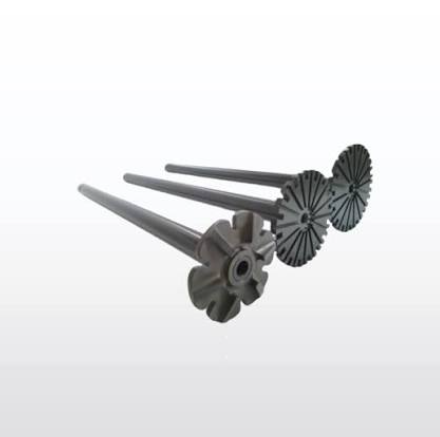
A silicon nitride degassing rotor is an industrial component manufactured from silicon nitride ceramic, a material known for its mechanical strength and thermal stability. It typically consists of a hollow shaft and an impeller designed to distribute inert gas throughout molten aluminum.
During operation, nitrogen or argon passes through the shaft while the rotating impeller disperses the gas into fine bubbles. These bubbles help remove dissolved hydrogen from the molten metal. They can also assist in bringing certain non-metallic inclusions toward the surface for removal during refining.
Effective degassing is particularly important in aluminum casting because excessive hydrogen can contribute to porosity and affect the quality of finished products.
Key Benefits of Silicon Nitride Degassing Rotors
1. Excellent High-Temperature Resistance
Aluminum refining involves demanding operating conditions and elevated temperatures. Silicon nitride ceramic offers strong thermal stability, making it suitable for applications involving continuous contact with molten aluminum.
Its resistance to thermal shock can also help reduce the risk of damage caused by temperature changes, provided the rotor is operated within its specified limits.
2. Resistance to Wear and Corrosion
Components used in molten metal processing must withstand chemical exposure, mechanical stress, and continuous operation. Silicon nitride provides excellent wear resistance and resistance to corrosion from molten aluminum under suitable conditions.
These properties can support consistent performance and reduce the frequency of component replacement compared with some conventional rotor materials.
3. Reduced Slag Adhesion
Another important characteristic is the material’s limited tendency to be wetted by molten aluminum. This can help reduce aluminum buildup and unwanted surface deposits on the rotor.
Less accumulation may simplify cleaning and maintenance while supporting stable operation in aluminum refining systems.
4. Potential Long-Term Cost Savings
Although the initial purchase price of a ceramic rotor may differ from that of a conventional graphite rotor, its service life can influence the overall operating cost.
A durable rotor may reduce replacement frequency, maintenance interruptions, and production downtime. Actual savings depend on operating temperature, rotation speed, gas flow, alloy composition, and maintenance practices.
Applications in Aluminum Processing
Silicon nitride degassing rotors are used in several aluminum manufacturing applications.
- Aluminum melting furnaces: Help remove dissolved hydrogen before casting.
- Online degassing systems: Support continuous melt treatment in production lines.
- Billet casting: Help improve melt quality for aluminum extrusion billets.
- Rolling slab production: Support refining processes for aluminum slabs.
- Aluminum alloy foundries: Assist in producing cast components that require controlled porosity and consistent quality.
Selecting a suitable rotor design is essential because different casting lines may require different dimensions, impeller configurations, and gas flow rates.
How to Choose the Right Degassing Rotor
Before purchasing a silicon nitride degassing rotor, manufacturers should evaluate the requirements of their existing equipment.
Consider rotor diameter, shaft length, connection design, rotation speed, operating temperature, and the type of inert gas used. Compatibility with the degassing machine is essential for safe and reliable operation.
Material quality and manufacturing precision also matter. A properly balanced rotor with suitable dimensional accuracy can help maintain smooth rotation and consistent gas distribution.
Discussing application requirements with the supplier can help determine whether a standard or customized configuration is appropriate.
See also: How Life Transitions Impact Women’s Mental Health
Discover Silicon Nitride Degassing Rotors from Haoxing Graphite
Reliable melt treatment is an important part of producing high-quality aluminum products. Choosing an appropriate degassing rotor can help foundries improve refining consistency, manage maintenance requirements, and support efficient production.
Explore the Haoxing Graphite silicon nitride degassing rotor to learn more about its material properties, technical specifications, and customization options. By matching rotor dimensions and performance characteristics to your equipment, you can select a solution suited to your aluminum refining and casting requirements.